
Popular culture often trivializes people’s struggles with food, brushing them off as harmless indulgences or “comfort eating.” While women are usually the focus of these conversations, men struggle just as much. I know this because I lived it.
For many people, emotional eating is an occasional challenge. For others, it becomes a daily war—one that feels even more complex than addictions to alcohol or drugs. You can live without alcohol or drugs. You cannot live without food. That reality alone makes the battle uniquely difficult. It can feel like walking a tightrope every single day, knowing that one misstep—or one bite—can send you spiraling.
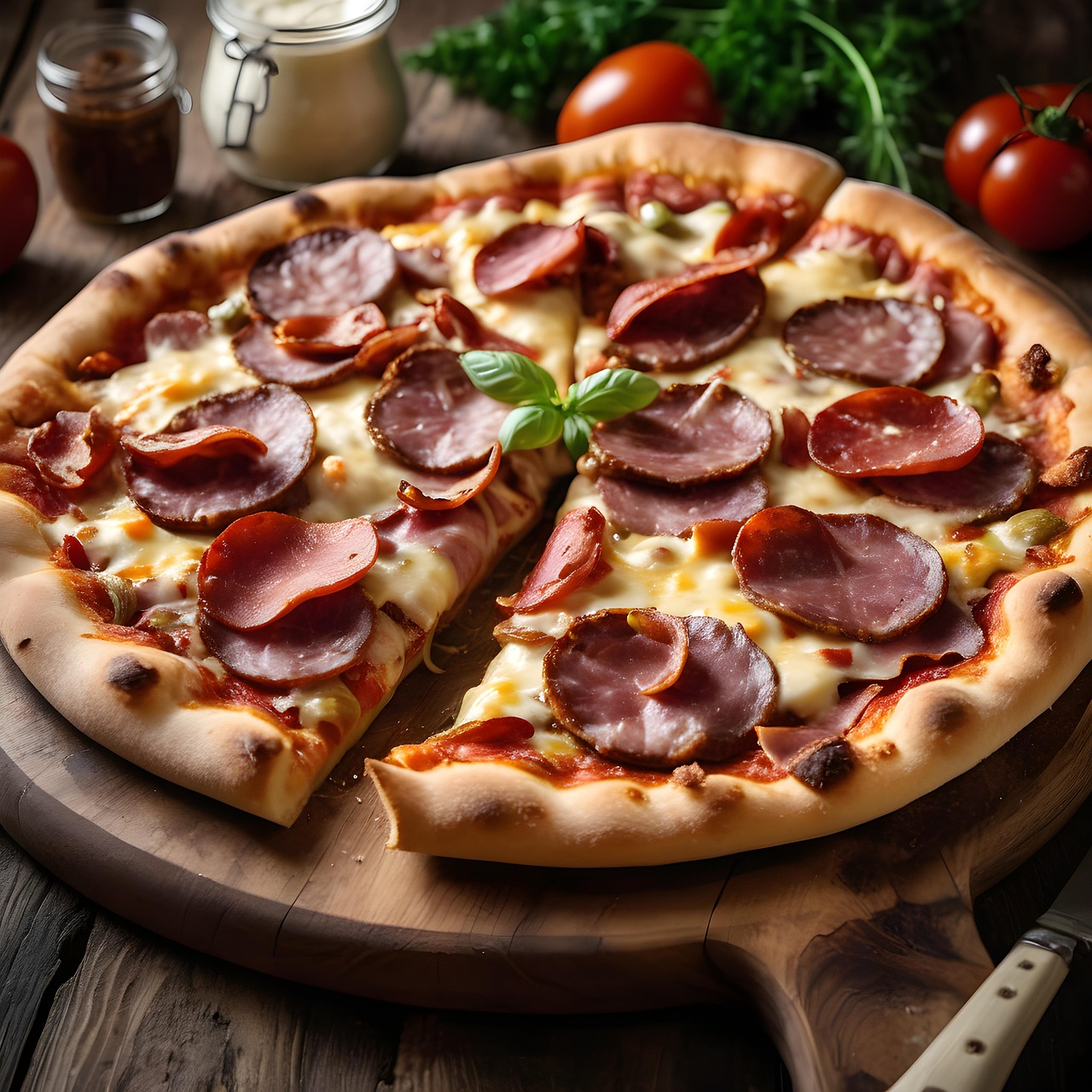
Over time, I’ve come to see food as something that can become a liar, a thief, and a destroyer.
Food lies when it whispers promises it cannot keep: This will make you feel better. This will take the edge off. This will fill the void. It never does.
Food becomes a thief when it robs you of peace—when the momentary pleasure is followed by shame, isolation, and a desire to withdraw from the world.
And when left unchecked, food can become a destroyer, slowly eroding relationships, confidence, health, and joy.
My Personal Battle
After many years—really, a lifetime—of struggling with binge eating, I learned firsthand how powerful this cycle can be. There was always a trigger. Sometimes it was stress, sometimes fatigue, sometimes emotions I didn’t want to feel. Once the trigger appeared, the tension would build. And depending on the circumstances, I might satisfy that craving quickly—or it might take hours before I finally cave.
That cycle of trigger, buildup, and eventual indulgence wreaked havoc on my life for many years.
What finally began to break its hold on me wasn’t willpower alone. It was a shift in perspective.
I realized that if I focused all my energy on the food I wanted—if I put blinders on and shut out any consideration of the consequences—I would almost always give in. The moment I allowed myself to think only about the craving, the outcome was inevitable.
But something changed when I started focusing beyond the moment.
I began asking myself a simple but powerful question: What comes after this?
You can only eat so much food. Eventually, life resumes. And depending on how far you go, the aftermath—a food hangover—can last for days. I’ve personally dealt with upset stomachs, mental fog, and emotional heaviness for multiple days following a single binge.
When I started channeling my energy toward the after, something shifted. As much as I wanted what I wanted in the short term, I hated what inevitably followed. That realization became a turning point.
It still took time—years, in fact—but eventually I drew a line in the sand. I stepped over it and said, I will never go back. And to this day, I haven’t.

The Trap of Perfection
Part of my struggle was self-inflicted. I grew up believing that progress required perfection in both eating and training. I started lifting weights at 15, and my only sources of information were bodybuilding magazines and books written by professional bodybuilders. I didn’t have the wisdom or guidance of a coach telling me that you don’t need to be perfect to make progress.
I believed that eating perfectly—every meal, every day—was the price of success. That mindset quietly laid the groundwork for an unhealthy relationship with food.
The truth is, life is too short to live on plain grilled chicken breast, dry baked potatoes, and steamed broccoli forever. That kind of rigidity isn’t sustainable, and for many people, it backfires.

Years later, I was introduced to a simple but life-changing concept: 90/10 compliance.
If you eat five meals a day, seven days a week, that’s 35 meals. Ninety percent of those meals can be nutritious, intentional, and supportive of your goals. The remaining 10% allows room for flexibility—planned, enjoyable meals that don’t turn into guilt or chaos.
There are two important caveats:
- Plan these meals in advance. Don’t decide after an exhausting, high-stress day that it’s suddenly time for a “treat meal.” When your mental wires are fried, that rarely ends well.
- Stick to normal portions. Enjoy the meal with friends or family. Eat it once. Walk away with no guilt.
This approach allows you to achieve and maintain excellent fitness and body composition while still enjoying life, relationships, and social connections. It removes the exhausting cycle of being “on” or “off” a plan.
The Psychology of Deprivation
I first learned about the psychology of deprivation from my longtime nutrition mentor, Keith Klein. We met in the summer of 1991, shortly after I graduated from college. Keith worked with everyday clients as well as elite professional bodybuilders, and the lessons he taught me that first summer shaped my long-term success.
Unfortunately, by the time I met Keith, my unhealthy relationship with food was already deeply ingrained. I was too embarrassed to share it with him until years later—especially since I never gained weight. When I finally opened up, his guidance was simple and profound.
He taught me that there is no such thing as good or bad food—only more or less nutritious food. When you label food as “bad” and then eat it, you inevitably turn that judgment inward. Suddenly, you are bad. That mindset fuels shame and reinforces the cycle.
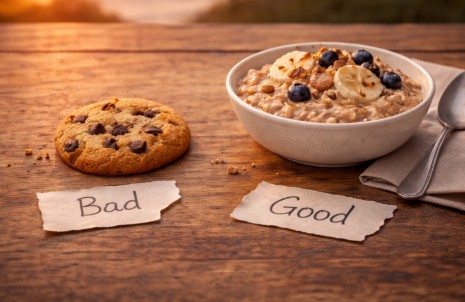
less nutritious, and both can play a part in an
overall healthy plan.
Keith explained that deprivation is often the real problem. People adopt overly restrictive nutrition plans with high emotional investment. For a while—maybe weeks—it works. But eventually, deprivation catches up. A trigger hits, resolve crumbles, and people swing hard in the opposite direction.
I’ve seen this play out countless times.
The solution is not more restrictions. It’s intentional flexibility.
There’s no reason you can’t enjoy a favorite food occasionally. What matters is frequency and portion. Zig Ziglar once shared that during his major health transformation, he enjoyed one scoop of his favorite ice cream every Sunday after church. That single serving kept him sane, happy, and consistent.
For some people, however, certain foods truly are triggers. For me, store-bought sweets fall into that category. After years of struggle, I chose to abstain from them entirely. Instead, I rely on healthier alternatives—homemade, nutrient-dense options that satisfy my sweet tooth without sending me out of control.
Only you can determine which foods you can enjoy occasionally and which ones you’re better off avoiding.
A Practical, Sustainable Alternative
One of the frameworks that has most influenced how I approach nutrition today comes from Precision Nutrition, an industry‑leading coaching and education company. I hold a Master Level Health Coach certification and am currently working to further my education. Their work is exceptional, and the principles they teach are genuinely life‑changing.
Precision Nutrition is not just a certification—it’s also a philosophy of eating and food preparation. At its core is a simple yet powerful idea: you can take almost any dish that might be considered “less than healthy” and turn it into something positive.
Pizza, Mexican food, sweets—nothing is automatically off‑limits. When you remove excess sugar and unhealthy fats and replace them with quality protein sources and healthier fats, you can create meals that are both nutritious and genuinely enjoyable.
This approach has been my go‑to strategy for years. I have two protein shakes a day, and each one is different—different purposes, different flavors—and I genuinely enjoy them. I also eat protein pancakes virtually every day of my life unless I’m traveling. It’s my own recipe, it’s highly nutritious, and it’s incredibly satisfying.

Most importantly, these choices consistently feed my sweet tooth without triggering loss of control. I’m satisfied, nourished, and never tempted to over‑indulge.
Final Thoughts
There is a difference between disordered eating and a clinical eating disorder. If you are dealing with conditions such as bulimia or anorexia, please seek professional help. That level of support is essential and beyond the scope of this article.
But if you occasionally feel out of control around food, know this: you are not weak, broken, or alone.
As a nutrition coach, I work with people every day who silently battle food. Writing this has been on my heart for a long time. If this resonates with you, consider getting help. The most successful people in every area of life have coaches. Nutrition and your relationship with food are no different.
Food does not have to be your enemy.
With the right mindset, support, and strategy, it no longer has to lie to you, steal from you, or destroy your peace.
If food feels like a constant battle, it may be time for support.
As a nutrition coach, I work with people every day who want freedom—not perfection—and a sustainable approach that fits real life.
If you’re ready to move beyond guilt, deprivation, and the on-again/off-again cycle, reach out via “Work With Kelly” and let’s talk about what working together could look like.
For some additional resources on healthy eating, consider the following:
 kellyamidonblog.com
Leave a comment