
About two and a half years ago, for my birthday—my birthday’s in January—one of my very best clients, Omar, gave me a gift I’ll never forget. He rented me my dream car: a Porsche 911. Not the Turbo version, but a 911 Carrera—close enough. For 24 hours, I got to drive the car I’ve admired my entire life. It was the coolest thing ever.

That Monday morning, after my personal workout, we met early at the gym and drove up to pick up the car. January in Texas can be chilly, and this morning was no exception. Omar had found the rental through an app—an individual owner, not a company—and the entire process was handled online. We drove what felt like forever up the North Dallas Tollway until it teed into Highway 380, then turned toward Denton.
When we arrived in a nice neighborhood, there it was—parked in the driveway. The whole moment felt surreal. Omar read the instructions on the app: how to unlock the car (hidden lockbox underneath with a combination), how to start it, and—most importantly—how to warm it up. The owner wrote, in bold: DO NOT DRIVE until the tachometer drops to a certain level. You must give the engine time to warm up, or you risk damaging it and limiting performance.
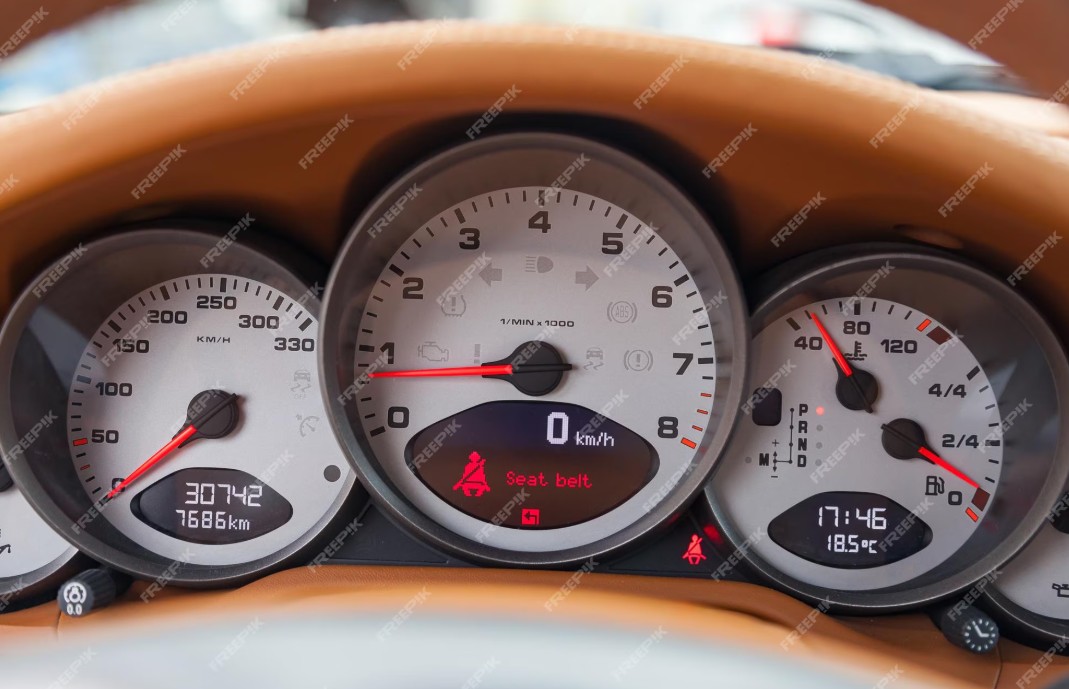
That one line stuck with me. It was the perfect metaphor for how too many people treat their bodies during training.
I see it all the time: someone walks in off the street in work clothes, changes, and within minutes is “wailing away” on the gym floor. No prep. No warm-up. That’s like firing up the Porsche and driving off immediately—your body isn’t ready to perform, and you’re asking for trouble.
A few years ago, I was following Jim Wendler’s famous 5/3/1 program, specifically his “Boring But Big” specialization. While designed for powerlifting, I adapted it for my hypertrophy goals. The program works off your “training max” (90% of your one-rep max) and progresses through three phases:
• Phase 1: 65%, 75%, 85% of training max — 5 reps each set
• Phase 2: 70%, 80%, 90% — 3 reps each set
• Phase 3: 75%, 85%, 95% — 5 reps on the first set, 3 reps on the second, and for the last set, aiming for a rep PR, not a one-rep max
With Boring But Big, after completing your main work sets, you go back and do five sets of 10 reps at the weight from your first set. On the day in question, my first set at 75% felt heavy. Yet later in the workout, I returned to that same weight for 5×10—and crushed it.
What changed? Warm-up.
For beginners, I often skip warm-up sets, starting them right at working weight for simplicity and the fact that they’re simply not able to handle enough weight or training intensity to justify a specific warm-up set. But as clients progress, I introduce structured warm-up sets—starting around 50% of their first working set for 15 reps, then perhaps 75% for 7 reps—before hitting their main sets. For myself, after 42 years of training and multiple surgeries, my warm-up is even more methodical: four progressive sets (45%, 60%, 75%, 90%) for 20, 10, 7, and 4 reps, respectively.
But warm-up isn’t just about the muscles. It’s about the central nervous system (CNS)—something I learned years ago from Canadian strength coach Christian Thibodeau. He always says, “Your CNS is the boss.” When it’s cold, your reaction time, coordination, and power output are idling low. When it’s primed—heart rate up, breathing elevated, joints lubricated, neural pathways firing—your body is ready to hit high gear.
That’s the magic I felt on that Boring But Big day. By the time I reached those 5×10 back-off sets, my CNS was fully engaged, my body was firing on all cylinders, and the weight moved far more easily than it had in the first set.
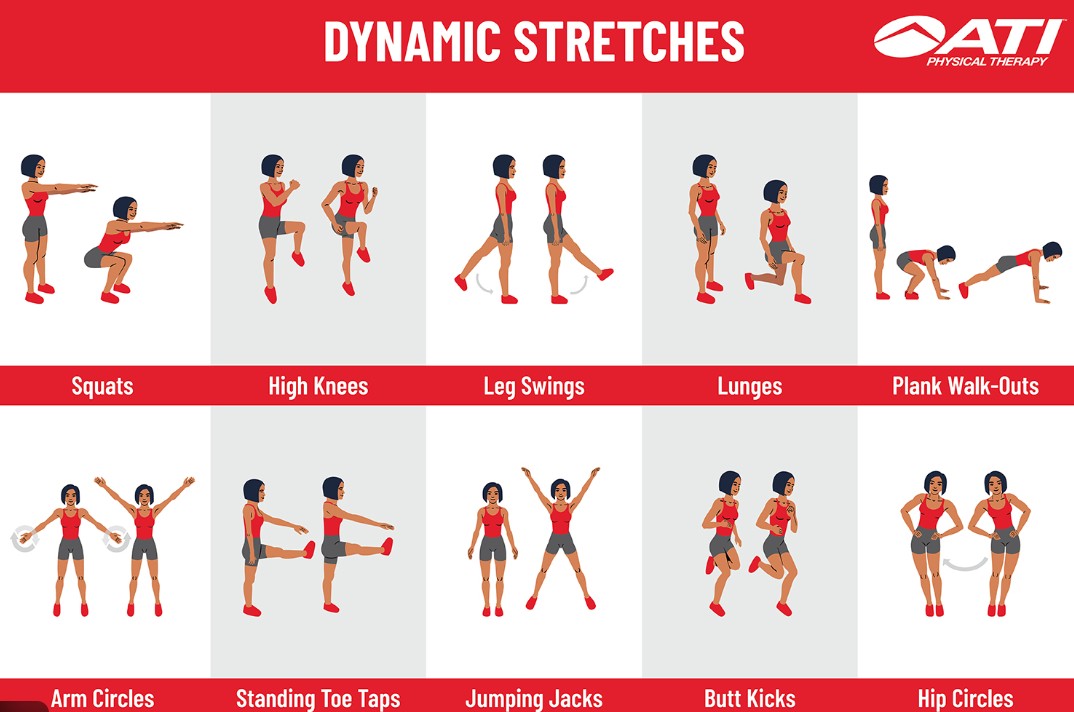
My ideal warm-up sequence is simple:
1. **General warm-up** — 3–5 minutes of light cardio (e.g., StairMaster) to elevate heart rate, body temperature, and blood flow.
2. **Dynamic stretching** — 3–5 minutes of controlled, moving stretches (no long static holds) targeted to the day’s training focus.
3. **Specific warm-up sets** — Progressive, percentage-based ramp-up before the first work set, scaled to the client’s level.
—
**Conclusion**
Just like that Porsche 911 Carrera, your body has a performance threshold it can only reach if it’s properly prepared. Skip the warm-up and you’re not just risking injury—you’re leaving potential on the table. A few minutes of light cardio, targeted dynamic stretching, and progressive warm-up sets aren’t wasted time; they’re an investment in performance.

The truth is, your muscles might be the engine, but your central nervous system is the driver. When it’s cold, your reaction time, coordination, and power output are all idling in the low range. But once it’s fully engaged—heart rate elevated, breathing up, joints lubricated, and neural pathways firing—your body shifts into high gear.
That’s when the magic happens. That’s when a weight that felt heavy in your first set suddenly feels manageable—even for five sets of ten. That’s when you train not just harder, but smarter.
So next time you step into the gym, remember: don’t just turn the key and floor it. Give your body the respect it deserves. Warm it up, prime the system, and then unleash everything you’ve got. Because whether you’re behind the wheel of a Porsche or powering through a PR, performance is always better when you start in the right gear.
Best of luck in your journey.
 kellyamidonblog.com
Leave a comment