
In the fall of 2017, I experienced my first encounter with vertigo. It came suddenly and without warning. After the first episode, I visited my general practitioner. Because I had some ear pain, he suspected an ear infection and prescribed antibiotics. We hoped that would solve it.
It didn’t.
When the vertigo continued, I returned to the doctor and was given a ten-day course of prednisone. I stopped it after about five days due to how poorly my body responded—particularly facial swelling and general discomfort—without any improvement in symptoms. Then came one final episode, late on a Saturday night around midnight, so severe that I nearly called 911. It was completely debilitating.
Thankfully, I eventually fell back asleep, and by morning the spinning had largely subsided. First thing Monday morning, I went straight to my doctor’s office. No phone call. No waiting. I told him plainly, “We have to figure this out.”
He sent me immediately to an ENT specialist. That afternoon, after a brief evaluation, the ENT said—without much bedside finesse—that based on my symptoms, I either had a viral inner ear infection… or a brain tumor. The only way to rule out the latter was an urgent MRI.
I walked downstairs, paid for the scan, and waited.
The next day, the results came back. No tumor, thank God. It was a viral ear infection. I was given medication, and that chapter closed. I never had another vertigo episode—until years later.
Fast Forward
About a month ago, on a Sunday, I felt perfectly fine. I trained hard, went to church, ran errands, came home, and made lunch. While preparing my meal, I began to feel off—a mild headache, nausea, and an unsettling sense that my balance wasn’t quite right.
I trained a client that afternoon at 2 PM, but even he asked me if I was okay. I kept holding my head. By the end of the session, I knew something wasn’t right.
Later that afternoon, vertigo set in fully.
I attempted a short walk—five minutes was all I could manage. When I leaned back in my lounge chair later that evening, the room began spinning violently. That was the moment I knew I was in trouble.
The night was brutal. I skipped dinner due to the extreme nausea, and going to the bathroom during the night required holding onto walls and furniture for support. By morning, I felt awful. Around 5 a.m., my best friend came to get me and took me to the emergency room.
They ran every test imaginable—CT scan, labs, chest imaging. Nothing abnormal. I was given nausea medication and Valium to help calm my system and sent home. By the next day, I felt mostly normal.
But over the following three weeks, something lingered. Almost daily, I experienced low-grade nausea and mild headaches. I was prescribed Meclizine (essentially prescription-strength Dramamine), which I took intermittently. I also scheduled an ENT appointment—but the earliest availability was weeks away.
Then, without warning, it happened again.
The Aftershock
On a Friday afternoon starting at 12:30, during a short client session, I felt the familiar signs return: nausea, headache, and—most telling—the loss of equilibrium. I canceled the rest of my schedule and went home.
By late afternoon, even moving from a reclined position to sitting upright caused the room to tilt violently. That night was rough. Saturday morning, I had no appetite, no coffee, and no capacity to work. I canceled my entire day and stayed still.
Sunday was marginally better, and I had one client scheduled at 8 a.m. Typically, I hit my upper body on Sundays; however, I had no desire to lift. I did manage an hour on the treadmill at a moderate pace just to get some movement in. It didn’t worsen my symptoms and substantially boosted my morale. I trained my one client and rested the remainder of the day.
That weekend, I began researching more deeply. The ER doctors had mentioned that, since no apparent cause was found, the issue might be related to the tiny calcium crystals in the inner ear. I had never heard of this before.
Those crystals are real. And when they move into the wrong semicircular canal, vertigo can be severe.
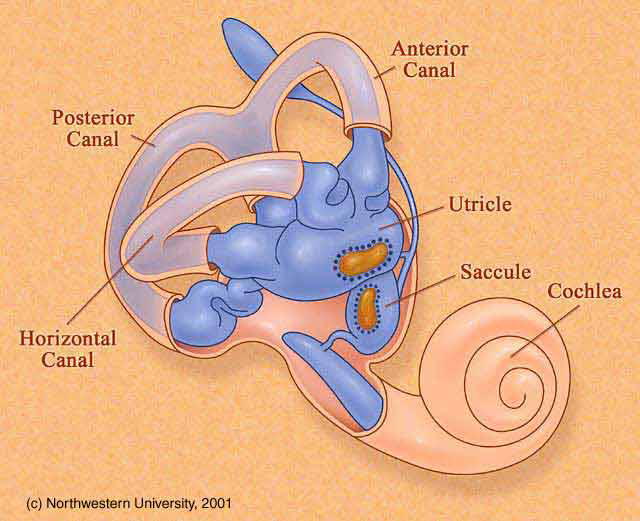
The standard treatment is often called the Epley maneuver, but it isn’t as simple as it sounds. There are different canals, different sides, and proper diagnosis matters. I attempted a basic version at home—with no improvement.
At that point, I decided to seek professional help.
The Turning Point
On Monday morning, I called my doctor’s office and asked whether their physical therapy department treated vertigo. They didn’t—but they referred me to a local PT clinic, Fyzical West Plano, that specialized in it. No referral required.
By sheer grace, they had a same-day appointment.
My therapist, Rachel, spent time asking questions and running diagnostic tests—particularly watching eye movements. She determined that the issue was likely crystal-related and on my right side.

She walked me through the treatment step by step. When she laid me back on the table, the room spun violently. She calmly reassured me, told me to keep my eyes open, and waited it out.
Within about a minute, the spinning stopped. She then took me through one more movement before having me sit back upright.
We repeated the process several times. Each round produced less spinning than the one before. By the end of the session, there was noticeable improvement. She cautioned me that it might not be a one-and-done fix and recommended a follow-up later in the week.
Over the next few days, symptoms steadily diminished. By Wednesday, they were gone entirely.
At my follow-up appointment, she repeated the diagnostic maneuvers. This time—nothing. No spinning. No nausea.
She said plainly, “For now, you’re clear.”
Why I’m Sharing This
I promised Rachel I would write about this experience—not to dramatize it, but to serve others.
Vertigo can be terrifying. If you’ve never experienced it, it’s difficult to describe just how disabling it can be. And if your vertigo is crystal-related, there is no reason to suffer longer than necessary.
Physical therapy from a trained professional can provide real relief—sometimes very quickly.
That said, vertigo can have multiple causes. In my case, years ago, it was viral. In rare cases, it can be something more serious. This is not a one-size-fits-all answer.
But if crystals are the culprit—and that’s more common than many realize—seeking the right help can change everything.
I share this in the spirit of 2 Corinthians 1:3–4:
Praise be to the God and Father of our Lord Jesus Christ, the Father of compassion and the God of all comfort, who comforts us in all our troubles, so that we can comfort those in any trouble with the comfort we ourselves receive from God.
If this helps even one person recognize what’s happening and seek help sooner, then the experience was not wasted.
Best of luck in your journey.
Resources:
Fyzical West Plano
5930 W Park Blvd, Suite 600
Plano, TX, 75093
(972) 996-4663
Fyzical West Plano
Ask for Rachel as your therapist.
 kellyamidonblog.com
Leave a comment