
One of the greatest struggles I see in people—whether they’re aiming to lose body fat, build muscle, or simply live healthier—is belief.
Not believing in me as their coach. Belief in themselves.
Especially when it comes to body transformation, belief is usually the first casualty. The results take time. The work is unfamiliar. Progress is slow. That’s tough enough for someone who’s dabbled in fitness before—but for a complete beginner? Someone who’s never lifted a weight or followed a structured nutrition plan? It can feel overwhelming. Even defeating.

And that’s where I come in.
The Coach’s Role: More Than Just Workouts
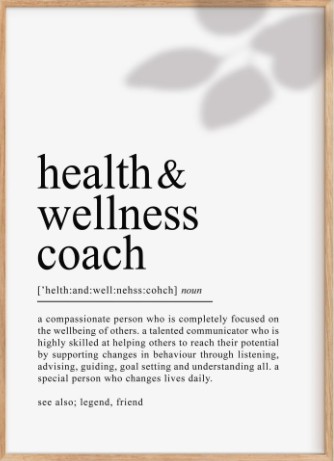
I see myself as more than a coach—I play three vital roles for my clients, regardless of whether they’re just starting or have been training for years.
1. The Teacher
We live in the information age, but when it comes to nutrition and fitness, too much information can be paralyzing. Keto? Carnivore? Fasting? Counting macros?
One of my clients recently shared a message from a completely confused friend. She was being pulled in different directions—Keto by one group of friends, Carnivore by another—and she just didn’t know what to believe. So she turned to my client, Wendy, who simply said: “Talk to my coach.”
After 40 years in the school of hard knocks, I know how to cut through the noise and provide people with simple, actionable, no-nonsense guidance.
2. The Accountability Partner
I was always aware of the power of accountability, but a quote from Jack Canfield made it crystal clear:
“Writing your goal down gives you a 42% chance of success. But add an accountability partner? That number jumps to 76%.”
That’s what I do every week with my clients. They commit to specific goals and actions. Then, at week’s end, they report back—what they did, what they didn’t. And because our relationship is strong, they won’t just let me down… they won’t let themselves down either.

3. The Encourager
This is my superpower—my number one spiritual gift. Whether I’m working with a teenager or an 84-year-old client, everyone has “off” days. Days when they don’t feel like training. Days they want to quit.
That’s when I put an arm around them, smile, and say, “That’s okay—you get to do it anyway. Because you hired me to help you reach a goal, and I’m not letting you walk out of here with nothing to show for today.”
Whether you’re feeling great or dragging, we’re going to create a training effect—a small deposit of effort that will pay dividends later. Because when the hard days come again—and they will—you’ll be ready. Momentum is everything.

Tools from My Coaching Toolbox
Let me share three of my favorite mindset tools that help build belief and create unstoppable momentum.
Tool 1: Swing the Axe
I got this one from leadership legend John Maxwell.
Imagine I give you a shiny new axe and tell you to walk outside once a day and take five swings at the biggest tree in your yard. Just five swings—no more, no less. Every day.
Rain or shine. Tired or energized. Five swings.
Now ask yourself: If you keep at it, day after day, will the tree fall?
Of course, it will. It’s not even up for debate.

Now, apply that same certainty to your health goals. The “tree” is your outcome: a goal weight, body fat percentage, or performance milestone. Your five daily swings might be:
1. Strength training
2. Cardio
3. Active recovery
4. Solid nutrition
5. Quality sleep and stress management
If you consistently do these five things and track them—the tree will fall.
Tool 2: The Compound Effect
You’ve probably heard the classic riddle: Would you rather take a million dollars today or a penny that doubles every day for 31 days?
Most people take the million. But that penny? It increases to over $10 million by day 31—and surpasses $1 billion by day 38. That’s the power of compounding.
Here’s the catch: miss a single day, and the math breaks down.
Consistency > Intensity.
Small actions, repeated daily, are what lead to massive results.

Tool 3: The Seinfeld Calendar
Comedian Jerry Seinfeld once said his secret to success was simple: he wrote every day, regardless of the circumstances. Each day he wrote, he put an “X” on a giant wall calendar. After a while, he didn’t want to break the streak. It became a game.
This is called gamification—turning behavior into a game. Language apps like Duolingo use it, and so do I. Because sometimes the streak becomes the motivation. You don’t want it to die.
Track your workouts, your meals, your progress—build your chain. When motivation is low, your record of consistency will carry you through.

Final Thoughts: Your Tree Will Fall
Let’s bring it all together.
Pick your tree—your goal. Define your five daily swings. Track your effort. Measure your results. Make adjustments. Keep swinging.
Some days, you’ll feel like a champion. Other days, like quitting. But if you stay consistent, build momentum, and trust the process, you’ll become unstoppable.
I’ll leave you with one of my favorite quotes from Jim Rohn:
“What is simple to do is also simple not to do.”
Don’t underestimate the power of simple actions. When repeated with belief and intention, they can transform your body—and your life.
Believe. Swing. Repeat.
Your tree will fall.
Best of luck in your journey.
 kellyamidonblog.com
Leave a comment