
Let’s clear something up: a diet or meal plan is not the same as nutrition coaching.
If you’re chasing the latest fad diet hoping to lose weight and transform your body—without a coach or support system—your chances of long-term success are slim. Harsh? Maybe. But let’s take a closer look.
We live in a time when the world’s information is at our fingertips—literally. Between smartphones, tablets, and every device in between, there’s more free nutrition content available than ever before. And yet, we’re facing the highest obesity rates in U.S. history.
According to the CDC, adult obesity in America jumped from 30.5% in 1999–2000 to 41.9% in 2017–2020, with projections showing even steeper climbs ahead.
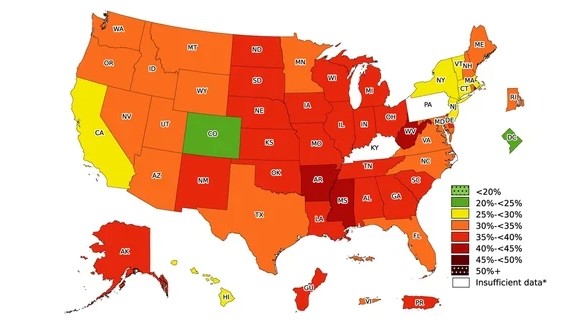
Let that sink in—we’re trending in the wrong direction.
Nearly 3 in 4 adults in the U.S. are now considered overweight or obese. Even more heartbreaking? These rates are also rising among our children and teens. The impact isn’t just physical—it’s emotional, social, and economic. And it’s not slowing down.
If Knowledge Were Enough, We’d All Be Fit
So, what’s the answer?
Well, here’s something I’ve learned: good nutrition isn’t logical.
Let’s test that theory. Picture breakfast. Are you going with a veggie-packed omelet made with whole eggs, added egg whites for protein, a bit of light cheese, and whole wheat toast? Or are you grabbing a coffee and a couple of doughnuts on the go?
Logically, you know which is better.

Same for lunch. Grilled chicken, steamed broccoli, and a sweet potato—or a double meat, double cheese burger with special sauce, onion rings, and an extra-large soda?
And dinner—grilled salmon, asparagus, and roasted potatoes—or deep-dish pizza with everything on it?
You know the healthy options. We all do. And yet, doughnut shops, burger joints, and pizza places are crushing it.
So if logic alone drove behavior, we’d all eat clean. But we don’t.
What Actually Works?
Here’s a secret most diet programs won’t tell you:
There’s no single “best” diet that works for everyone.
Any eating plan that creates a caloric deficit can produce weight loss—if you stick with it. But whether you stay metabolically healthy and maintain essential muscle while shedding fat? That’s a different story.
The two most critical factors for fat loss:
- 1. A consistent calorie deficit
- 2. Sufficient daily protein intake
A great place to start: about 1 gram of protein per pound of body weight.
Without enough protein, your body may burn through muscle during weight loss—something you definitely want to avoid. Muscle is metabolically protective, and strength training is the best way to tell your body: “Hey, keep this tissue!”
You must lift weights.
You must eat enough protein.

As for carbs and fats? There’s no magical ratio. Your genetics and preferences matter here. I’ve personally tried a low-fat approach in my younger years (remember the 80s and 90s?). These days, I stick to a balanced macro ratio—roughly a third protein, a third carbs, and a third fats—and I’ve never been healthier.
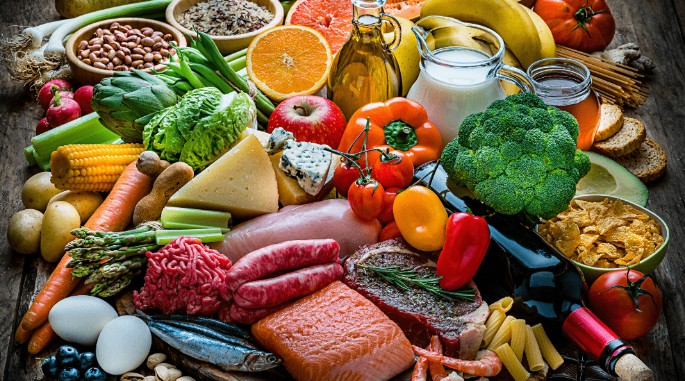
Clean, whole foods always win.
Why a Coach Matters
You could have the most scientifically sound meal plan, perfectly tailored to your needs—but without someone to help you implement it, you’ll likely struggle.
That’s where coaching comes in.
It’s not just about telling you what to eat. It’s about:
– Helping you develop emotional discipline
– Holding you accountable to your goals
– Guiding you through setbacks
– Celebrating your wins
– Helping you build sustainable change
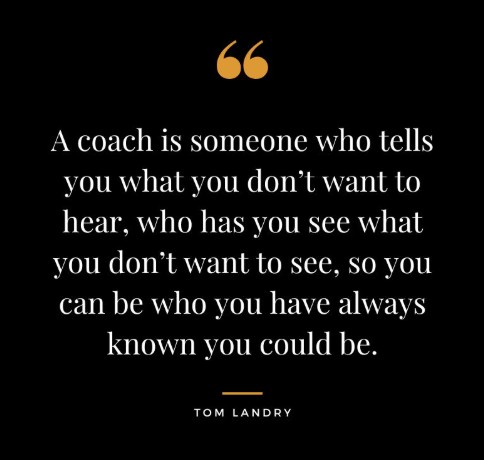
“A coach is someone who tells you what you don’t want to hear, who has you see what you don’t want to see, so you can be who you’ve always known you could be.” — Tom Landry
The Power of Accountability
A few years ago, I watched a video by Jack Canfield (you might know him from Chicken Soup for the Soul). He shared a powerful insight:
Simply writing down a goal increases your odds of achieving it by 42%.
But get this—by adding an accountability partner, you increase your chances of success to 70–80%.
That partner doesn’t have to be a nutrition expert. They just need to ask one question each week: “Did you follow through on your plan?”
Now imagine if that accountability partner is a coach—someone trained, knowledgeable, supportive, and consistent.
That’s not just powerful—it’s transformational.
Final Thoughts
If you’ve tried to change your health, weight, or energy levels on your own and keep falling short—maybe it’s time to try something different.
A good coach isn’t just a cheerleader or a rule enforcer. They’re:
- – A trusted guide
– A source of knowledge
– A partner in progress
– And most importantly, someone who sees your potential—even when you can’t
With the right coach, you can achieve your goals faster, stronger, and with less frustration.
Wishing you all the best on your journey to better health.
 kellyamidonblog.com
Leave a comment