
I started lifting weights at age 15 to get stronger for golf. As a high school freshman, I was good enough to make the golf team, and toward the end of the year, I had the chance to join the local gym. My sole purpose was to boost my golf game—nothing else. But unfortunately for golf (at least in the short term), the iron bug bit me hard. One year later, I stashed my clubs and went all-in on bodybuilding, competing in my first show after junior year.
For the next three years—through my junior year in college—my golf clubs collected dust. Working at the country club in my hometown, on the course and in the clubhouse, kept me connected to the game. Thanks to two work associates who became my best friends, I got pulled back in.
Fortunately, I learned I didn’t have to choose between golf and lifting. The two could coexist and even complement each other. While lifting for golf was taboo back then, I knew instinctively that a stronger, faster athlete was superior. So I stuck to my guns, blending lifting with my game.

Fast-forward to today, and thanks to Tiger Woods and the Titleist Performance Institute, time has proven me right. Modern PGA touring pros often have a swing coach, short-game coach, mental coach, and fitness coach. If you don’t prioritize fitness, you have no shot at making it in pro golf.
While my knowledge base has expanded massively, my earliest influences on strength training came from bodybuilding. Outside of show prep, cardio got little emphasis. I never did more than an hour total per week in my 20s, 30s, 40s, and into my mid-50s. In fact, I still have the book Body Rx: Dr. Scott Connelly’s 6-Pack Prescription by cardiologist Scott Connelly, MD, who essentially said all you need is weight training and good nutrition—that cardio was overrated.
Enter Peter Attia, MD, and his book Outlive. I’ve always believed thin threads of circumstance bring people into our lives, and that’s certainly true with Dr. Attia. One of my best clients gave me Outlive, and it completely changed my life—how I train myself and my clients.
Beyond shifting my focus to longevity training, I learned the critical importance of cardiovascular work, especially VO2 max. It’s the top predictor of longevity potential, backed by science. For someone who’d always prioritized strength, this was a game-changer.
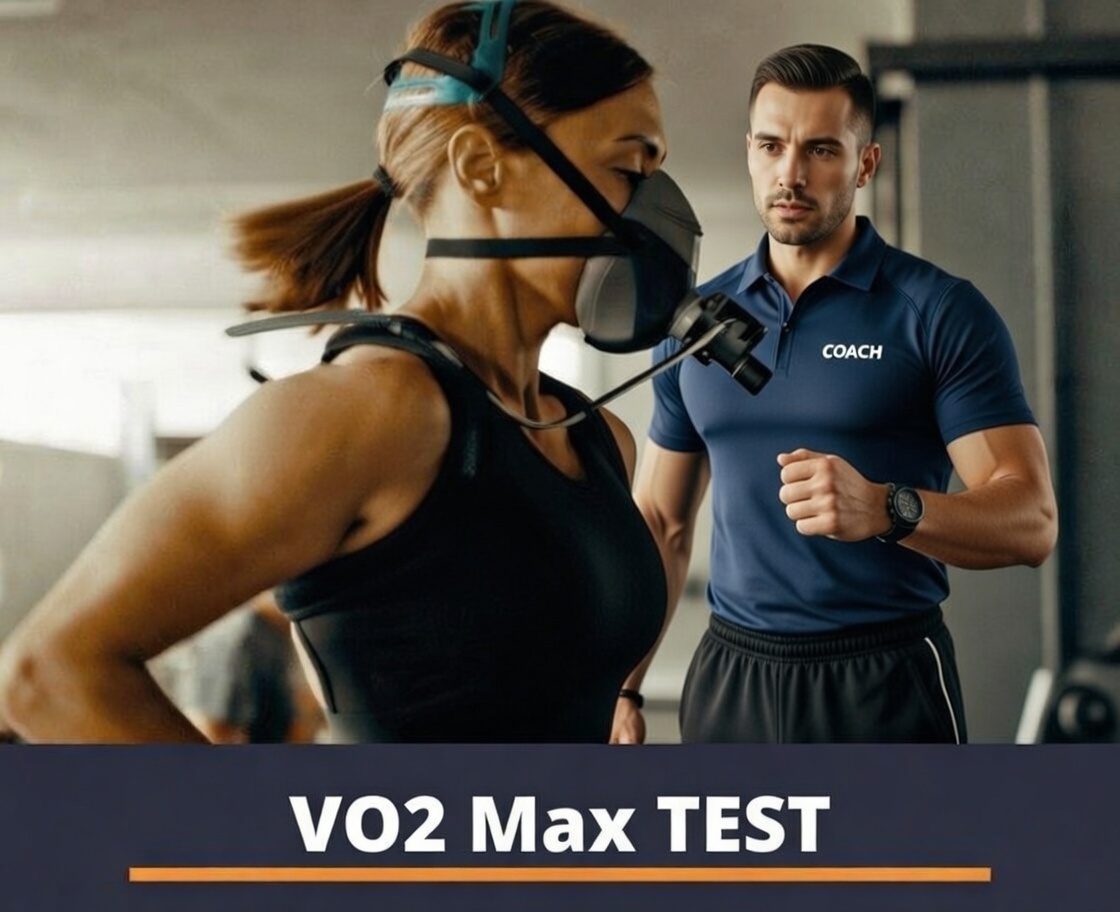
I immediately ramped up my personal cardio to three 45–60-minute sessions per week and became a metabolic specialist at Lifetime Fitness to better serve my clients. This path held for another year until the next big influence arrived.
In October 2025, that same client gifted me a Morpheus heart rate monitor. It led me to dive deep into the world of elite strength coach and recovery specialist Joel Jamieson, creator of Morpheus. While I already grasped the value of steady-state and high-intensity cardio, I was missing a key piece of the puzzle: the mechanics of cardio versus strength training.
For years, I thought the high heart rates from lifting contributed to my cardiovascular health. Then, a few months ago, I had a lightbulb moment that flipped my understanding.
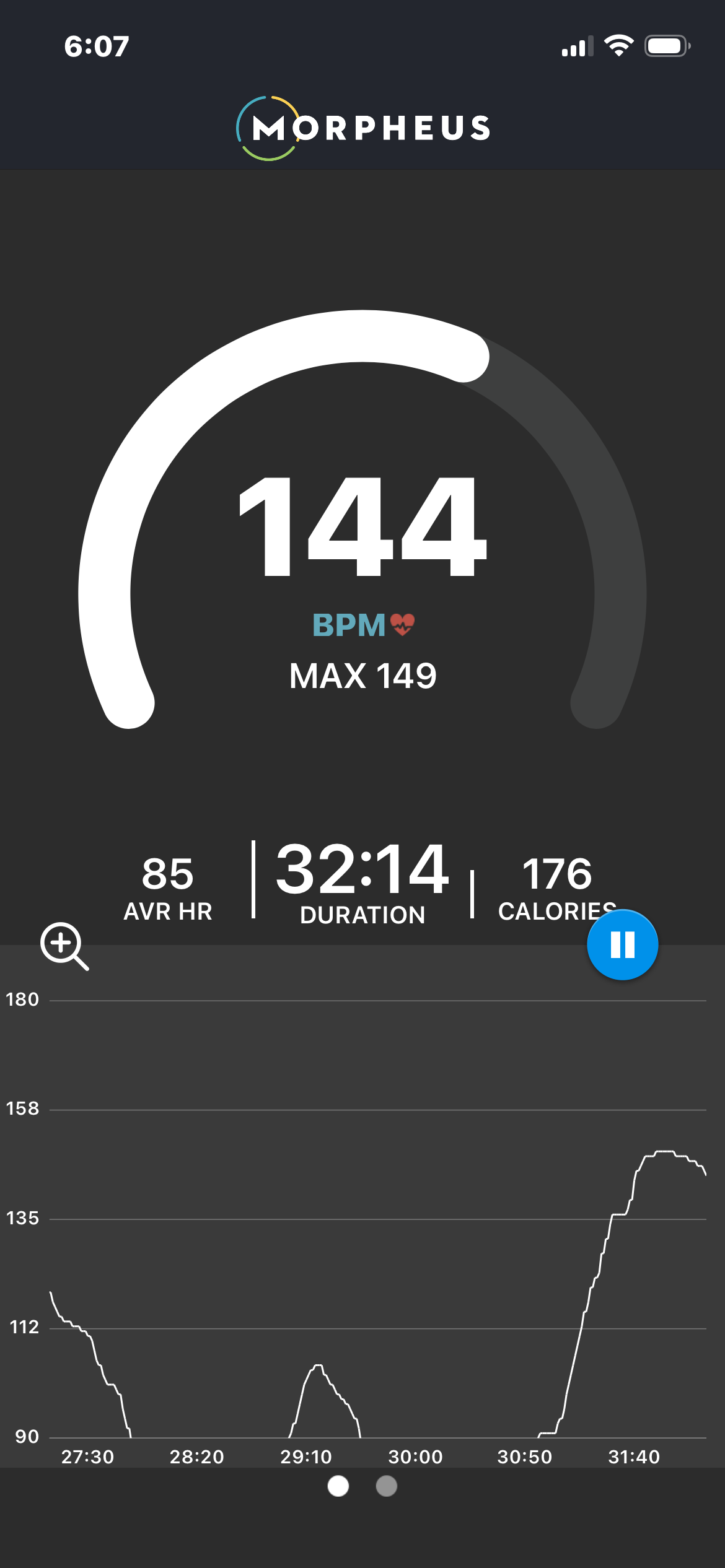
I’d finish a brutal set of trap bar deadlifts for 15 heavy reps—and check my Morpheus app to see my heart rate spiking to 140–150 bpm. That’s at the top of my Zone 2 (usually 135–145, depending on recovery). In my head, I’m thinking: “Boom—extra cardio!”
I was wrong. Dead wrong.
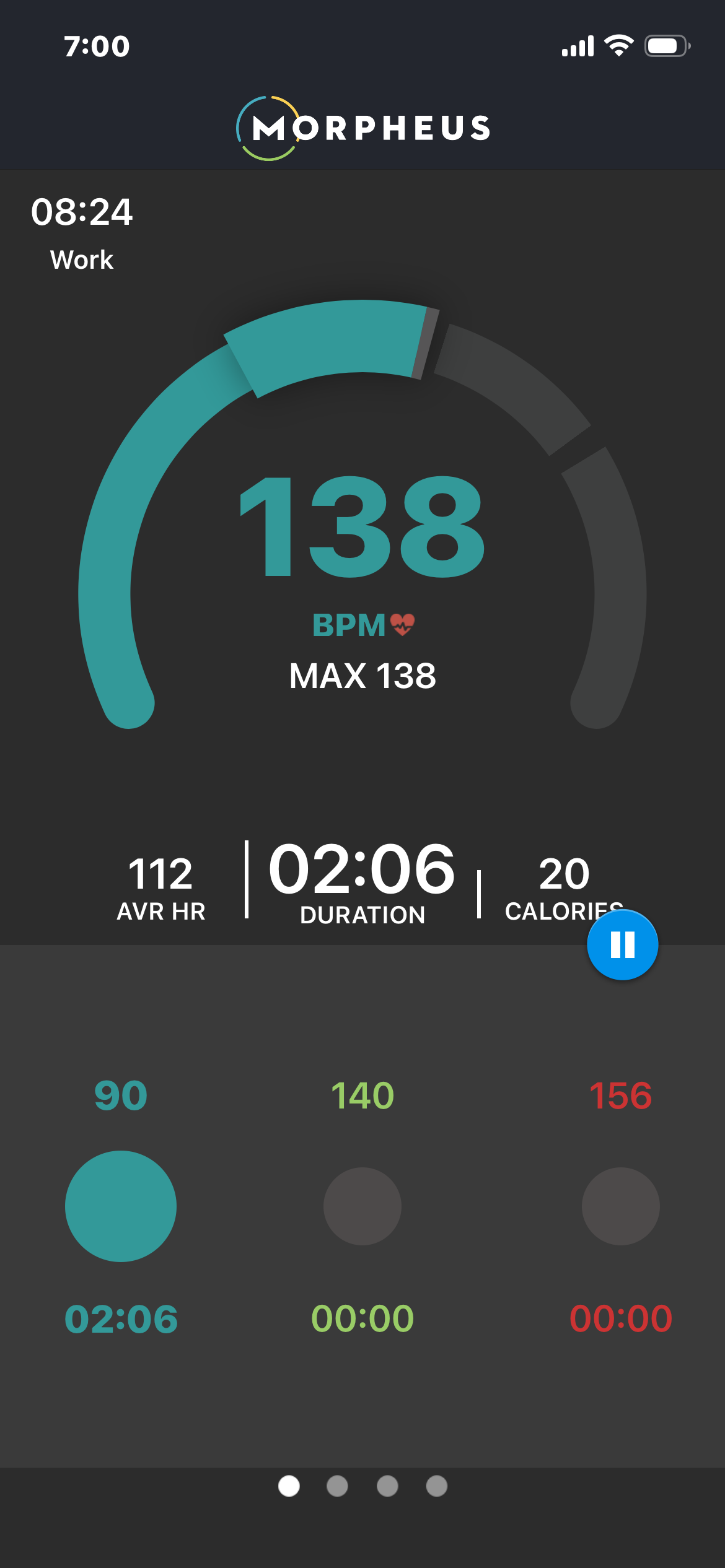
Diving into podcasts with Joel Jamieson (performance coach extraordinaire), Dr. Attia, Andy Galpin, and others revealed the truth: Elevated heart rates from heavy lifting stem from pressure demands—blood pressure spikes, muscle tension, Valsalva maneuvers—not sustained oxygen delivery that defines true aerobic (cardio) work.
Joel Jamieson nails it: Strength training’s heart rate response uses completely different mechanisms than Zone 2 cardio. Lifting builds power, muscle, and anaerobic capacity, but it doesn’t train your heart, lungs, and mitochondria like steady-state cardio. The adaptations? Different. The benefits? Different. One isn’t a substitute for the other.
I used to dismiss extra cardio. Now? I eat humble pie and shout from the rooftops: You need both strength and cardio. Full stop.
Peter Attia’s Backcasting: Design Your 85-Year-Old Self Today
Dr. Attia talks about your “marginal decade”—those last 10 years where quality of life hangs in the balance. He has clients “backcast” from there: What do you want to do at 85? Play 9 holes of golf without a cart? Walk the grocery aisles carrying bags? Get on the floor for Legos with grandkids—and stand up unassisted? Travel independently, no scooters or wheelchairs?
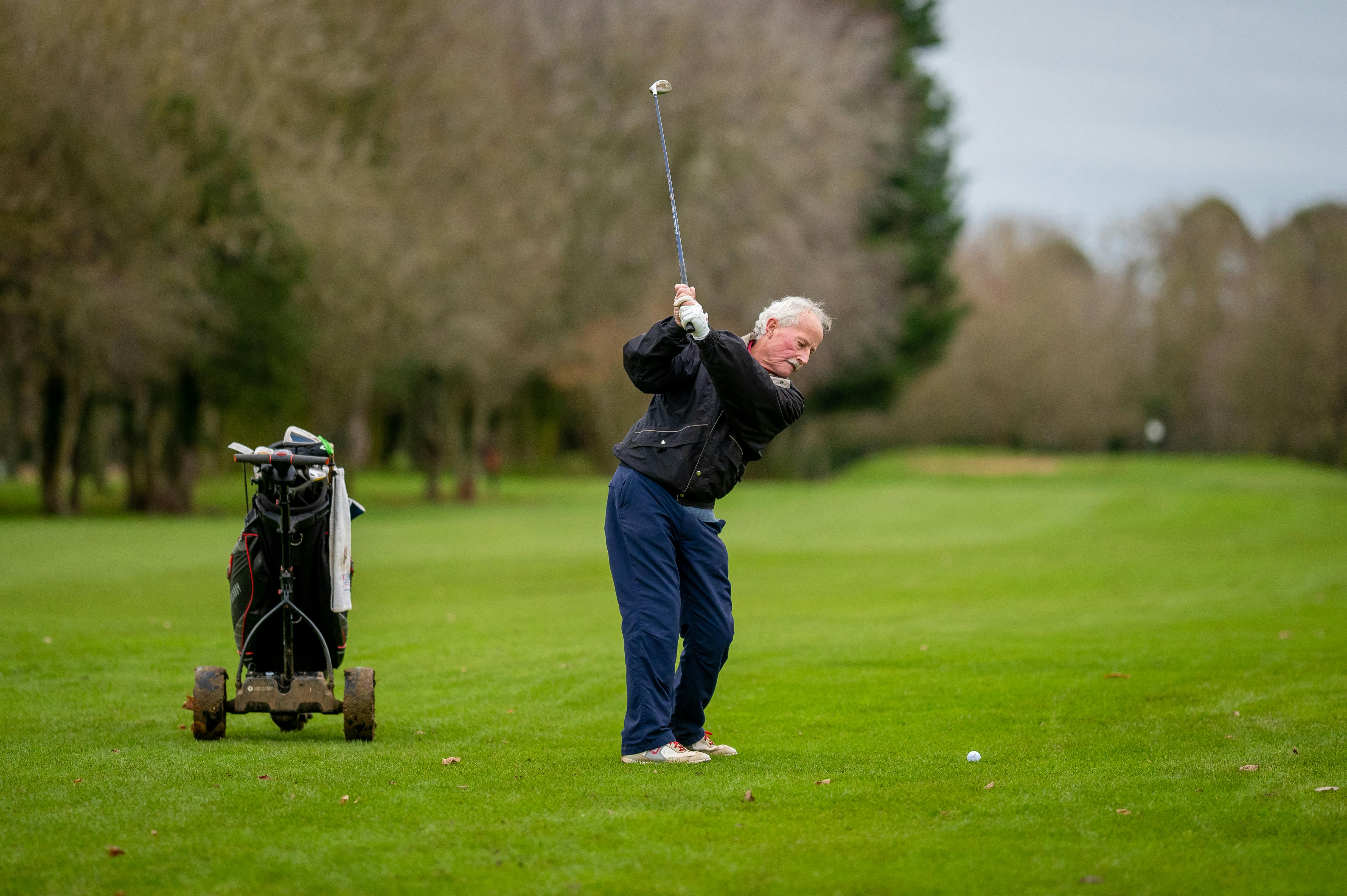
Each activity ties to a minimum VO2 max (your aerobic engine size). If you’re 40–50 now, backcast: To hit the VO2 max needed at 85 for independence, start way higher today—decline is inevitable.
Research shows that sedentary people lose ~10% of VO2 max per decade after age 30. Consistent training (cardio + strength) slows it to roughly half. But it still drops. Dr. Attia likens health to a glider: Climb high while you can—gravity wins in the end. The higher your peak, the longer your glide.
The scary threshold? Around 18 ml/kg/min for men (slightly lower for women). Below that, independence crumbles—tasks like carrying groceries or climbing stairs become exhausting or impossible. You risk assisted living or constant help. I saw it firsthand with a 72-year-old client: Post-heart surgery, he couldn’t stand from a bird-dog on the floor. I had to assist him. He’s 72—a long way from 85.
The Lifelong Endurance Proof: Cardio Preserves VO2, But Not Muscle
Dr. Andy Galpin cites a study on lifelong Swedish cross-country skiers (elite in youth, still skiing in their 80s–90s). Their VO2 max? Off the charts—some 80-year-olds matching much younger non-athletes, far above age averages.
But the kicker: Without resistance training, their muscle mass and strength dropped like sedentary peers’. They had elite aerobic engines but lost the muscle “engines” that power movement. Strength training fights sarcopenia (muscle loss), preserves fast-twitch fibers (crucial for quick recovery from stumbles), and maintains bone density through load-bearing.
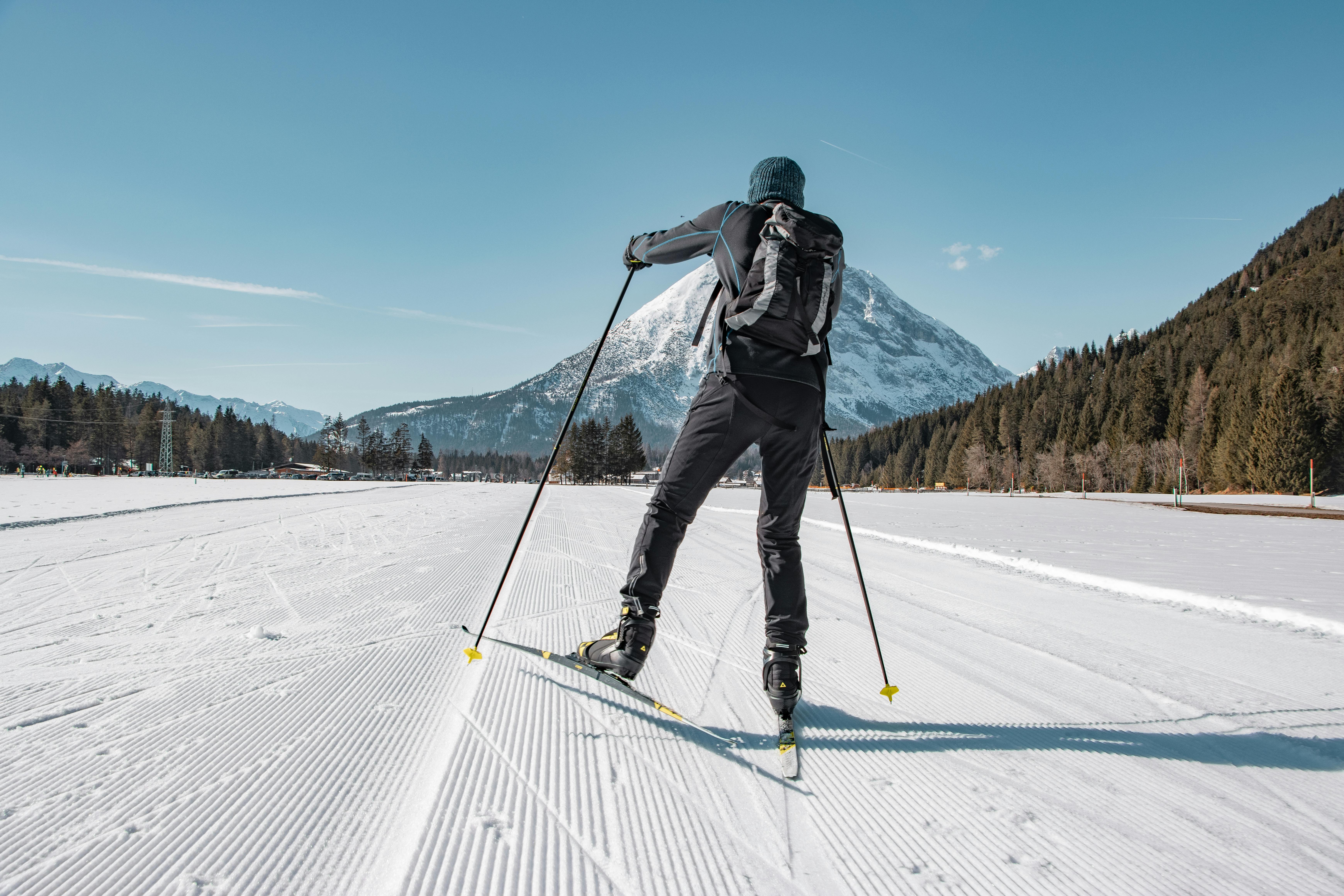
Falls? A massive killer in older adults—25% mortality rate within a year of a bad one. Often, it’s not just weakness or balance—it’s a lack of quick recovery power. Cardio keeps oxygen flowing; strength keeps horsepower ready.
Bottom Line: Do Both—Or Pay the Price
- Strength training: Builds muscle mass, power, bone density, explosive recovery, and metabolic health. Your muscles are the engines—lose them, and everything slows.
- Cardio (Zone 2 + some higher): Builds true aerobic capacity, VO2 max, mitochondrial efficiency, heart/lung resilience. It’s the fuel system for longer efforts without fatigue.
No more “or.” It’s “and.” Supersets are great for density and efficiency—but they don’t replace dedicated cardio. My elliptical? Staying. Deadlifts and squats? Stronger than ever.
If you’re 40+ and want to golf at 85, play on the floor with great-grandkids, or live independently—start backcasting now. Train like your future self depends on it. Because it does.
What’s one activity you want to keep doing at 85? Drop it in the comments or connect via Work with Kelly—let’s backcast your plan together.
Ready to build your strength + cardio blueprint for elite longevity? Reach out to me for personalized coaching—let’s get you climbing that glider higher. And if you haven’t already, subscribe to my blog for more game-changing fitness insights delivered straight to your inbox.
 kellyamidonblog.com
Leave a comment