
Steve Jobs once said something that has stayed with me for years:
“You can’t connect the dots looking forward; you can only connect them looking backward. So you have to trust that the dots will somehow connect in your future.”
I’ve listened to that commencement address more times than I can count. For a long time I treated it as beautiful hindsight. Then it collided with something Dr. Benjamin Hardy teaches, and the combination changed how I think about goals, careers, and the daily choices that either move us forward or keep us stuck.
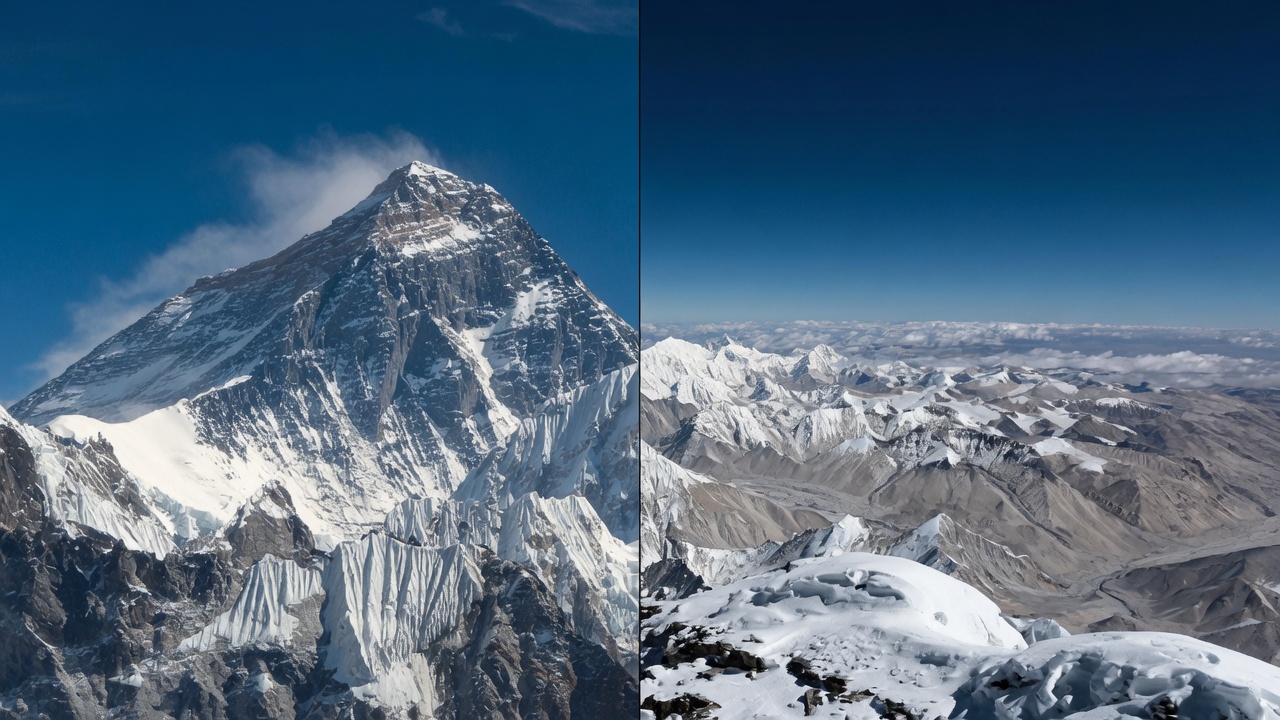
Most people set goals from where they currently stand. They look at their present skill set, available time, money, and connections, and then they try to project forward. That approach almost always produces a smaller version of the life they already have. Hardy’s invitation is different: set the goal from three years out—make it big enough that it feels almost impossible—then turn around and look backward. Ask what the person who has already become that future version of yourself would be doing today. What behaviors would he already be living? What would he no longer tolerate? Then begin practicing those behaviors now, even while the dots are still invisible.
That’s backcasting. It’s also 10x thinking instead of 2x thinking. Doubling your effort usually just means working harder inside the same system. Ten times requires a different system. You run out of hours if you try to grind your way there. You have to change how you think, who you spend time with, what you say yes and no to, and how you spend both money and energy.
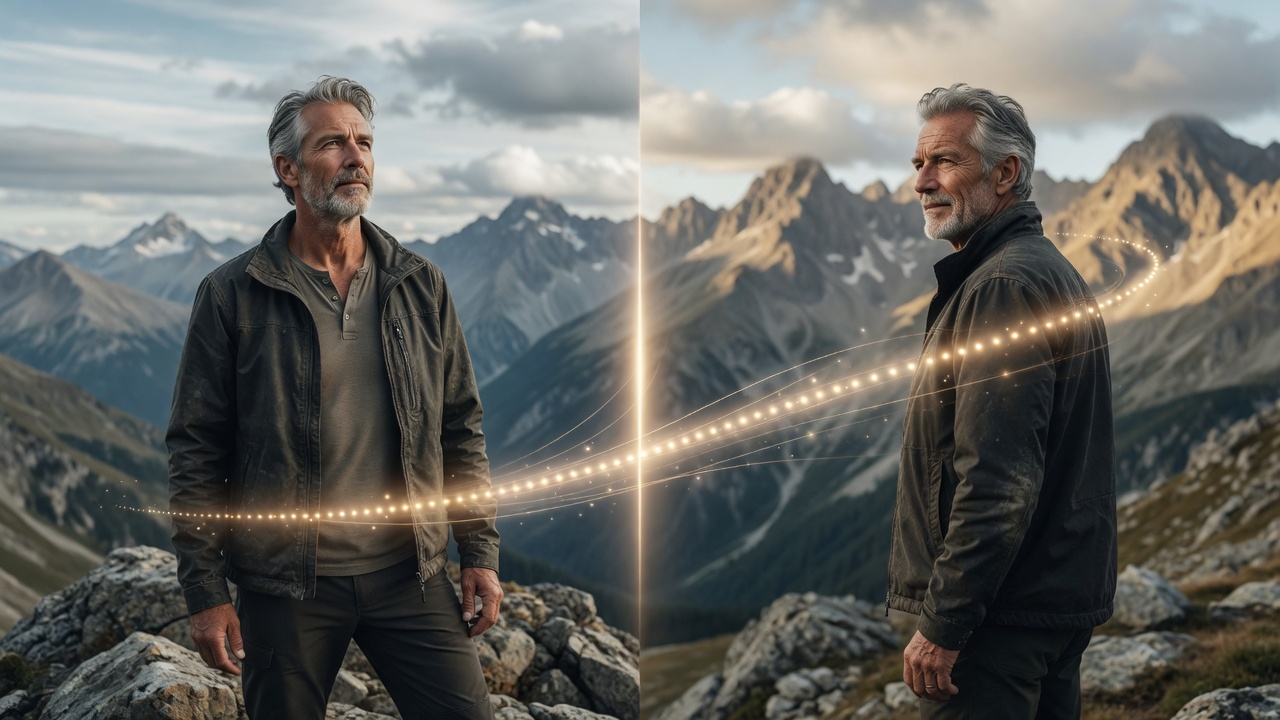
None of this works without faith.
Faith is not believing what is already obvious. Faith is the decision to take the next step when the floor is not yet visible. I’m reminded of the scene in Indiana Jones and the Last Crusade where Indy has to step out over a chasm. The bridge only appears after he commits his weight. I’m also reminded of Dallas Jenkins and the early years of The Chosen. Season after season required fresh courage, fresh funding, and the daily discipline of taking only the next step. The biblical picture that carried him was manna—God providing just enough for the day, never a surplus you could store up and stop trusting.

I believe God does not give a dream without also equipping the person to walk it out. That does not mean the path is easy. It means the capacity is there if we will keep showing up. As my old college professor, Rip Cormany, used to say, if someone else has already done it, the breadcrumbs are there. The price still has to be paid, but the path exists.
This way of thinking has massive implications for career.
Most of us get the order backward. We choose a job or a degree based on what feels realistic right now, then hope the lifestyle we want will somehow appear later. I did that. I started college wanting to become a doctor. Organic chemistry intimidated me, so I switched to a business degree. Looking back, I see friends my age who stayed the course and have practiced medicine for decades. That path was available. I simply chose present fear over future vision.
The better question is the one Stephen Covey popularized: begin with the end in mind. How do you actually want to live when the workday is done? What kind of freedom, impact, relationships, and health do you want the career to fund and support? Once that picture is clear, reverse-engineer the work that can deliver it.
Passion alone is not enough. Darren Hardy is right when he warns that “follow your passion” can become a trap. People hear the phrase and imagine sunshine and ease. Reality is closer to what New York Times bestselling author Andy Andrews describes about writing: he loves having written; the actual writing often wears him out. Dallas Jenkins followed a deep passion and still faced year after year of difficulty. David Foster—the legendary producer sometimes called the Hitman who has worked with Celine Dion and Michael Bublé—has said that even after he no longer needed the money, there was still nowhere he would rather be on a Saturday morning than in the studio creating. That is a useful test. If the thing you are building is not a place you would still choose when the external rewards are gone, it may not be the right thing.
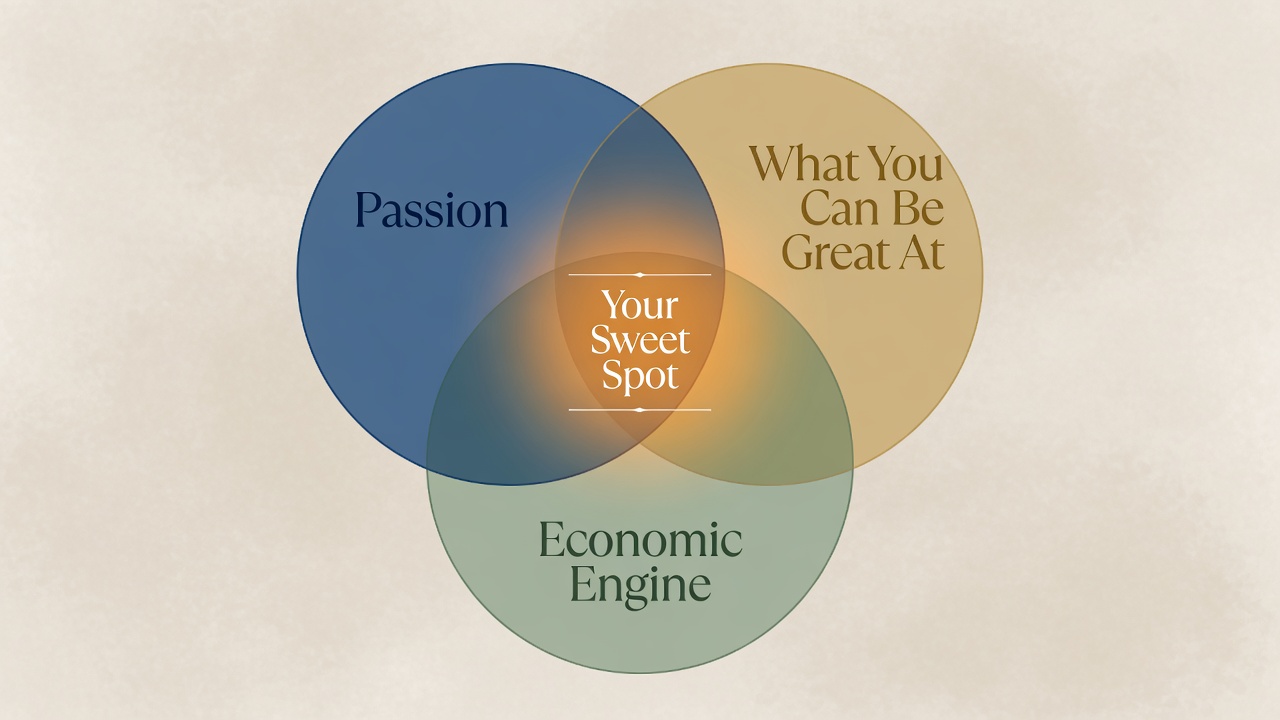
Jim Collins gives the cleanest framework I’ve found: the Hedgehog Concept. Look for the intersection of three circles—what you are deeply passionate about, what you can become truly excellent at, and what can drive an economic engine. Passion without skill or market viability stays a hobby. Skill and market without passion becomes a grind that eventually empties you. The sweet spot is where all three overlap.
Even when you find that sweet spot, fear will still show up.
In the movie We Bought a Zoo, Matt Damon’s character tells his son, “Sometimes all you need is twenty seconds of insane courage. Just literally twenty seconds of just embarrassing bravery. And I promise you, something great will come of it.”
I remember being a sophomore in high school at a band formal. I had a date, but late in the evening I noticed a young woman across the floor I had never seen before. I was terrified. I still walked over and asked her out. We dated for three and a half years. One phone call, one short burst of courage, created a chapter of my life I still carry.
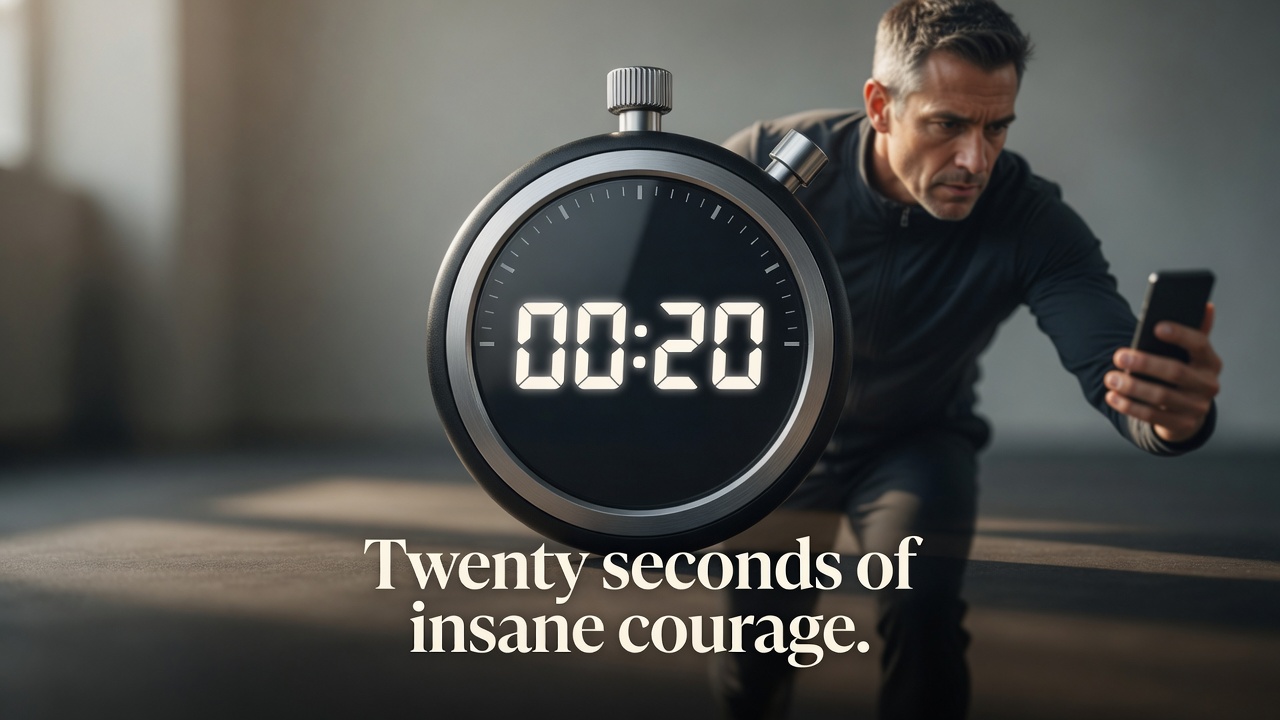
Zig Ziglar used to say fear is False Evidence Appearing Real. Most of the time the monster is smoke and mirrors. You do not have to feel brave all day. You only have to be brave long enough to make the call, send the message, walk across the room, or step onto the invisible bridge.
You also do not have to do it alone.
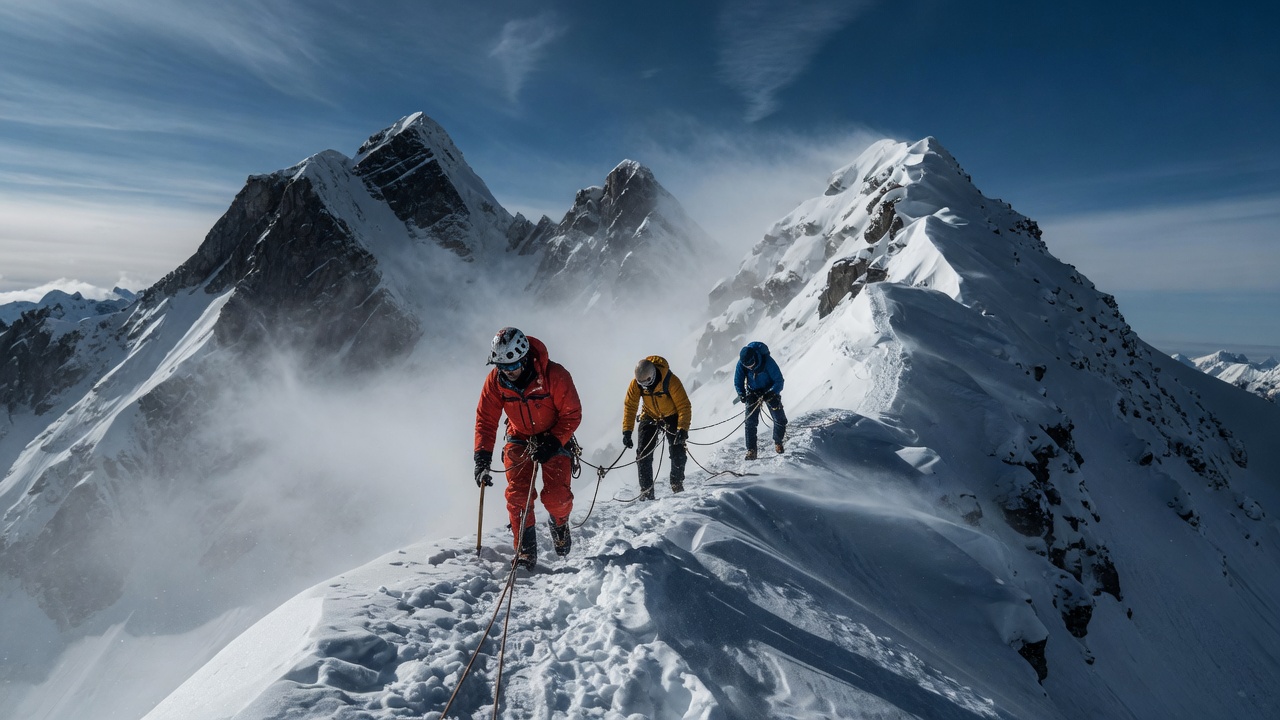
Ecclesiastes 4:12 says a cord of three strands is not quickly broken. John Maxwell puts it another way: if you want to go fast, go alone; if you want to go far, go together. Trying to climb Everest by yourself is a good way to die. Trying to prepare for an Ironman when you cannot swim, have never ridden seriously, and have never trained with weights is a good way to quit. The same is true of building a business, changing your body, or repairing a relationship. Hire the coach. Find the mentor. Build the small team that keeps you honest and moving.
Finally, the daily work of connecting the dots is largely a matter of managing your emotions and identifying the weak links.
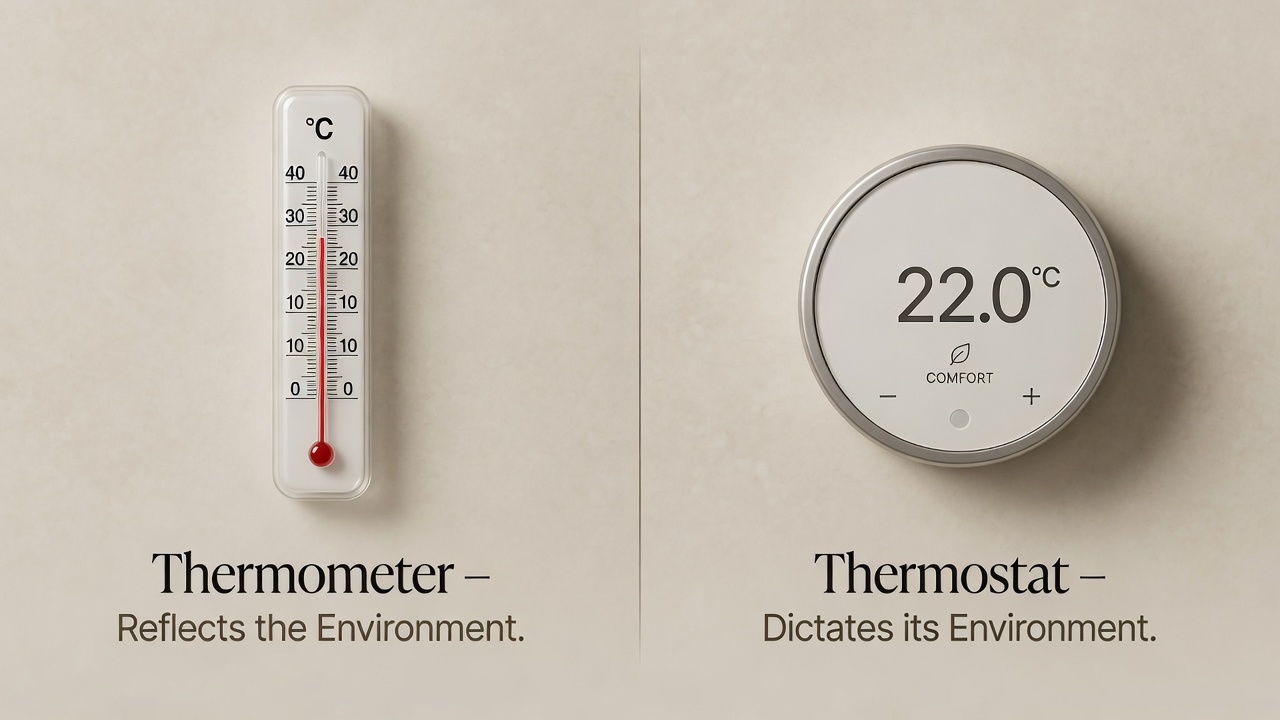
I tell clients to live like a thermostat, not a thermometer. A thermometer only reflects the temperature of the room. A thermostat sets the temperature and works to bring the environment into alignment. Your feelings will fluctuate every day. Some mornings you will not feel like training, eating the way you know you should, or going to bed on time. If you live by those feelings, your results will ride a roller coaster. Discipline is the decision to act according to the standard you have already chosen, regardless of the momentary emotion.
I had a conversation recently with a client in his early seventies—Phil. He trains with weights four days a week, does cardio, plays pickleball multiple times a week, and manages his sleep better than most people half his age. By almost every measure, he is doing far more than average. Yet the scale and the body composition numbers were not moving the way he wanted. We drilled down and found the emergency brake: a window of thirty to ninety minutes most nights between dinner and bed when he would eat things he knew he should not. His wife still brought certain foods into the house, and the availability was enough. Everything else was dialed in, but that one small pattern was holding the whole car back. Once he saw it clearly, the decision became simpler: I am doing too many things right to keep the brake on for ninety minutes of poor choices.
Most of us have a version of that emergency brake. It is rarely the dramatic failure. It is the quiet, repeated compromise in a narrow window of time. Identify it. Name it. Release it.

You cannot connect the dots looking forward. You can only decide who you intend to become, look backward from that future, and begin taking the next faithful step. Some of those steps will feel like walking on air. Some will require twenty seconds of embarrassing bravery. Almost none of them will be accomplished alone, and almost all of them will require you to live by commitment rather than by how you feel in the moment.
If this message resonated with you and you’re ready to start connecting your own dots with clearer vision and stronger daily discipline, I’d be glad to help. Reach out to me for coaching via Work With Kelly — whether it’s training, nutrition, recovery, or the bigger picture of how you want to live.
And if you haven’t already, subscribe to the blog so you don’t miss future posts.
The dots will connect. They usually do—when we keep walking.


Leave a comment