
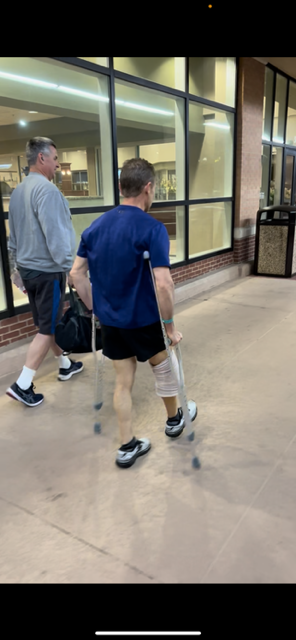
On Friday, May 3, 2024, I lay quietly in pre-op at Craig Ranch Surgery Center, waiting for knee surgery. The nurse struggled with my PIC line, missing my right hand, and eventually succeeding with the left. When she asked if I wanted to watch TV while I waited for the anesthesiologist, I said, “No, ma’am. I’d prefer just to sit quietly and wait.” She turned off the lights and pulled the curtain, and I was alone with my thoughts.

Though I tried to sleep, my hunger and caffeine-deprived headache made that impossible. So instead, I reflected on my long history with training—and with injury. I’ve been lifting weights since I was 15 years old. A herniated disc in 2008 was the first major setback, but I recovered through physical therapy. Then came a torn left meniscus in 2010, a bicep tear in 2014 that went untreated due to lack of insurance, and shoulder surgery in 2016.
After the 2016 procedure, I told my dad I was done with heavy lifting and ready to train for longevity. But once I got cleared by physical therapy, I fell right back into my old patterns—lifting like I was still 25. That decision, like many before it, eventually caught up to me.
In early April 2024, I tore the meniscus in my right knee. It wasn’t the exercise that caused the injury—it was years of stress accumulated over time. That first warm-up set on the belt squat was the straw that broke the camel’s back. I knew right away that something serious had happened.
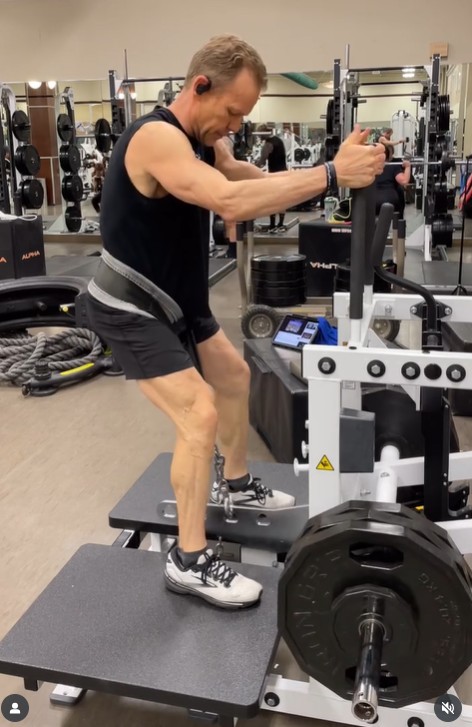
It took four weeks from the injury to the surgery, which included consultation, MRI, and scheduling. Thankfully, the outcome was positive, and I’m now pain-free and back to training. But that moment—lying in pre-op—was a turning point. And this time, I meant it. I was ready to train differently. I was ready to change.

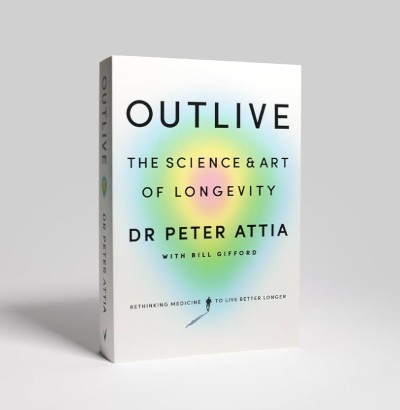
Enter Phil Overton—one of my best clients. Around the start of 2024, Phil picked up a book on longevity called *Outlive* by Dr. Peter Attia. He often shared insights from the book during our training sessions. I listened, but at the time, I was immersed in my cancer fundraising and didn’t feel the urgency to follow up.
Then, one day, I discovered Dr. Attia through a completely different channel: a podcast episode of Andrew Huberman’s show. Something clicked. I was finally ready to hear what Phil had been trying to share for months. I began diving into Attia’s content on YouTube and podcasts.

A few days later, Phil texted to say he’d be leaving something for me at the club before heading out on vacation. I was slammed with clients and forgot about it until I randomly remembered and checked my drawer. Inside was a copy of *Outlive* with a handwritten note from Phil on the inside cover. That moment meant the world to me—and I finally understood the message he had been trying to deliver.
From there, things moved fast. I learned that the two most predictive markers of longevity are VO2 Max and strength. While I had always lifted weights, I hadn’t fully embraced the importance of cardiovascular fitness.

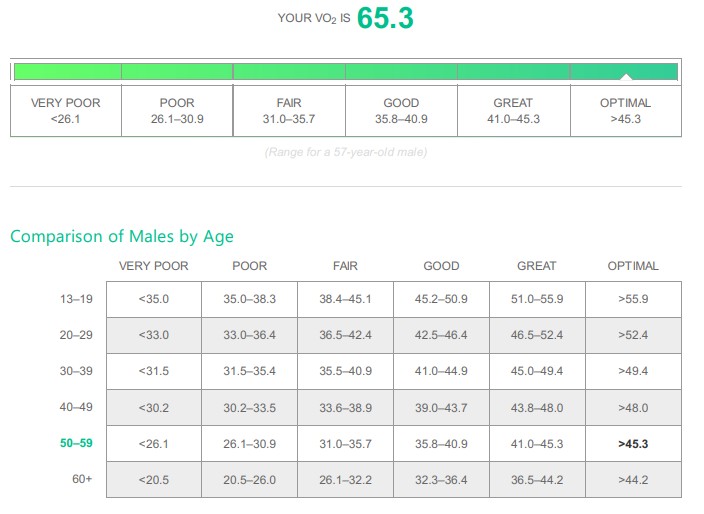
So, I took Life Time’s Active Metabolic Assessment and scored a VO2 Max of 55.9—well above average for my age. That inspired me to become certified as a Metabolic Specialist so I could both lead by example and help others improve their own VO2 Max through structured cardio training.
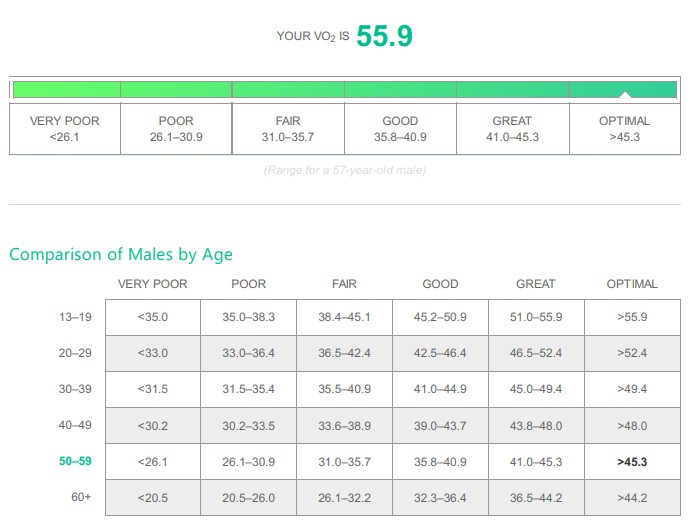
Three and a half months later, on Thanksgiving morning, I retook the test and scored 65. That leap confirmed what I had come to believe: VO2 Max is not just trainable—it’s transformative. Now, I aim to maintain my VO2 Max above my age for as long as possible.
Peter Attia speaks in detail about the Four Horsemen—the primary killers that reduce both lifespan and healthspan: 1. Heart Disease 2. Cancer 3. Neurodegenerative Disease 4. Metabolic Disease
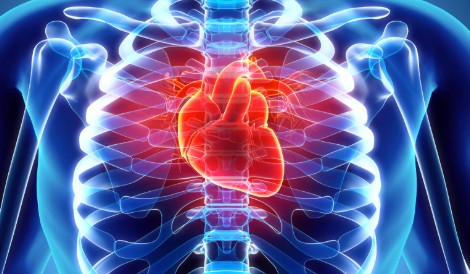
Heart Disease: The leading global killer develops through three main pathways: lipoprotein abnormalities (especially ApoB), endothelial dysfunction, and inflammation. The silver lining? It’s preventable primarily through exercise, a balanced diet, adequate sleep, and managing ApoB levels through lifestyle changes or medication.
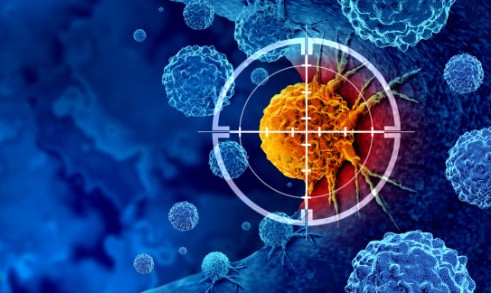
Cancer: Less understood than heart disease, cancer is driven by both genetics and the environment. While smoking and obesity are top contributors, prevention is tricky. Attia recommends aggressive early screening, especially for colon, breast, and prostate cancers.
Neurodegenerative Disease: Alzheimer’s and similar conditions are terrifying because they steal identity. The encouraging news is that exercise—especially cardiovascular—is one of the most powerful tools for preventing cognitive decline. What’s good for the heart is good for the brain.

Metabolic Disease: Conditions like Type 2 Diabetes and Fatty Liver Disease are exploding in prevalence. They’re driven primarily by overnutrition and energy imbalance—and they significantly increase your risk of the other three horsemen. Fortunately, these are the most preventable with smart nutrition, consistent training, and sufficient sleep.

Attia emphasizes that exercise is the most powerful lever we have at our disposal. Strength training helps preserve muscle mass and glucose regulation. Cardiovascular exercise builds the aerobic base necessary for a long and healthy life. Balance and mobility work keep us agile and safe.
Zone 2 cardio (moderate intensity, conversational pace) should comprise 80% of your total cardio. The other 20% should consist of intervals—3 to 4 minutes of intense effort with equal recovery periods.

On the strength side, 2–3 total-body sessions per week or a split program (upper/lower) can work wonders, especially when paired with mobility and stability exercises.
Nutrition matters deeply, but there’s no one-size-fits-all solution. Attia and I both agree: the two key pillars are energy balance and sufficient protein intake. Whether you follow intermittent fasting, keto, or a more traditional eating style, you need to maintain muscle and avoid overconsumption.

more complicated than it might seem.
A good rule of thumb: 0.8 to 1 gram of protein per pound of body weight. And be sure to spread that intake throughout the day—ideally 25–50g per meal, depending on body size.
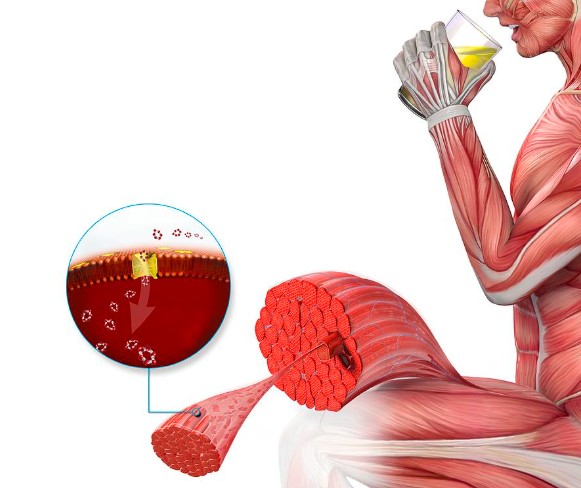
Sleep is foundational. Consistently getting less than seven hours of sleep per night can negatively impact blood sugar, appetite hormones, and cognitive function. Aim for seven to nine hours of sleep opportunity per night. Your body and brain depend on it.

Lastly, emotional health and relationships matter more than most people think. As Peter says, “If your life sucks in terms of relationships, then living longer is a curse, not a blessing.” Happiness, fulfillment, and strong connections are not soft science—they’re critical to true health.

Starting at age 30, we lose about 5 lbs of muscle every decade—unless we train. By 75, the body’s ability to rebuild lost muscle diminishes dramatically. The time to prepare is now. Not next year. Not after the holidays. Now.

Like a glider being released from a plane, your altitude before the release determines how far you can soar. The more muscle, cardio health, and mobility you bring into your golden years, the better your glide.
I’ve been training for over four decades, and I’ve seen both sides of this story: people who invest early and thrive, and those who neglect their health until it’s too late. But it’s never too late to start. Your past does not define your future.
Or as Apollo Creed said in Rocky III: “There is no tomorrow.” Start today. Because tomorrow’s quality depends on it.
 kellyamidonblog.com
Leave a comment