
Hey everyone, Coach Kelly here—Master Fitness Professional and Nutrition Lead at Life Time North Dallas. If you’ve been following my content, you know I’m passionate about practical, actionable steps that help you stay strong, mobile, and independent well into your golden years. We’ve talked about VO2 max and how dropping below certain thresholds can rob you of independence. Today, we’re diving into another foundational piece: protein intake.
This isn’t a deep scientific treatise—I’m putting the cookies on the bottom shelf, as leadership expert John Maxwell would say. It’s inspired by real conversations with club members, insights from experts like Dr. Don Layman (a leading voice on protein metabolism), Dr. Gabrielle Lyon, and others, and my 40+ years in fitness and nutrition. The bottom line? Many people, especially seniors, aren’t getting enough protein to support muscle protein synthesis (MPS), combat anabolic resistance, and protect against falls, frailty, and loss of function.
The Wake-Up Call: Real Stories from the Gym
A few weeks back, I met David, a new member returning to training after extensive travel. He’s on a low dose of a GLP-1 medication for weight loss—smart move, but not a magic bullet. I applauded his commitment and asked about his protein habits. He said he tries to include protein with every meal (one or two eggs for breakfast, maybe tuna at lunch). Sounds reasonable, right?
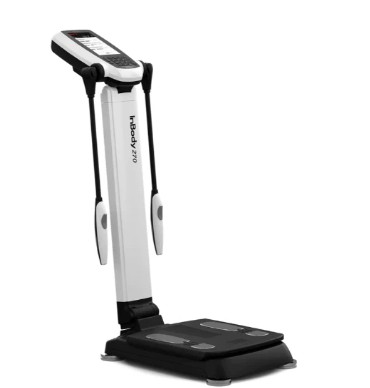
But when I asked his daily target, he didn’t have one. Zig Ziglar’s words hit me: “You can’t hit a target you don’t have.” Without a clear goal, it’s nearly impossible to optimize. I gave him a quick ballpark estimate based on ideal body weight—roughly 0.75–1 gram per pound—and encouraged him to track with our InBody scale. He appreciated the nudge, but it stuck with me: this is the norm, not the exception.
Then there’s Billy, who’s one of my new senior clients at 79. He’s a big man (about 6’4″), who needs around 175 grams of protein daily per our guidelines. He was doing intermittent fasting (16:8 window) and was falling short on his daily protein intake. I revamped his plan: a higher-protein breakfast (around 55-60g, with adjusted fats), a better afternoon snack (Greek yogurt or a shake instead of just nuts/fruit), and his solid dinner. He’s embracing it, but it highlights a key point—timing and distribution matter, especially for practicality.
These stories show why we need to talk about this.
Why Protein Matters More as We Age: Anabolic Resistance and Muscle Protein Synthesis
As we get older, our bodies become less efficient at using protein— this is called anabolic resistance. Muscle protein synthesis (the process of building and repairing muscle) doesn’t respond as readily to smaller amounts of protein. Dr. Don Layman’s research highlights the importance of a “leucine threshold”—around 2.5–3g of leucine per meal (typically from ~30 g+ of high-quality protein) to effectively kickstart MPS in older adults. Younger people can trigger it with less, but seniors often need more per meal.
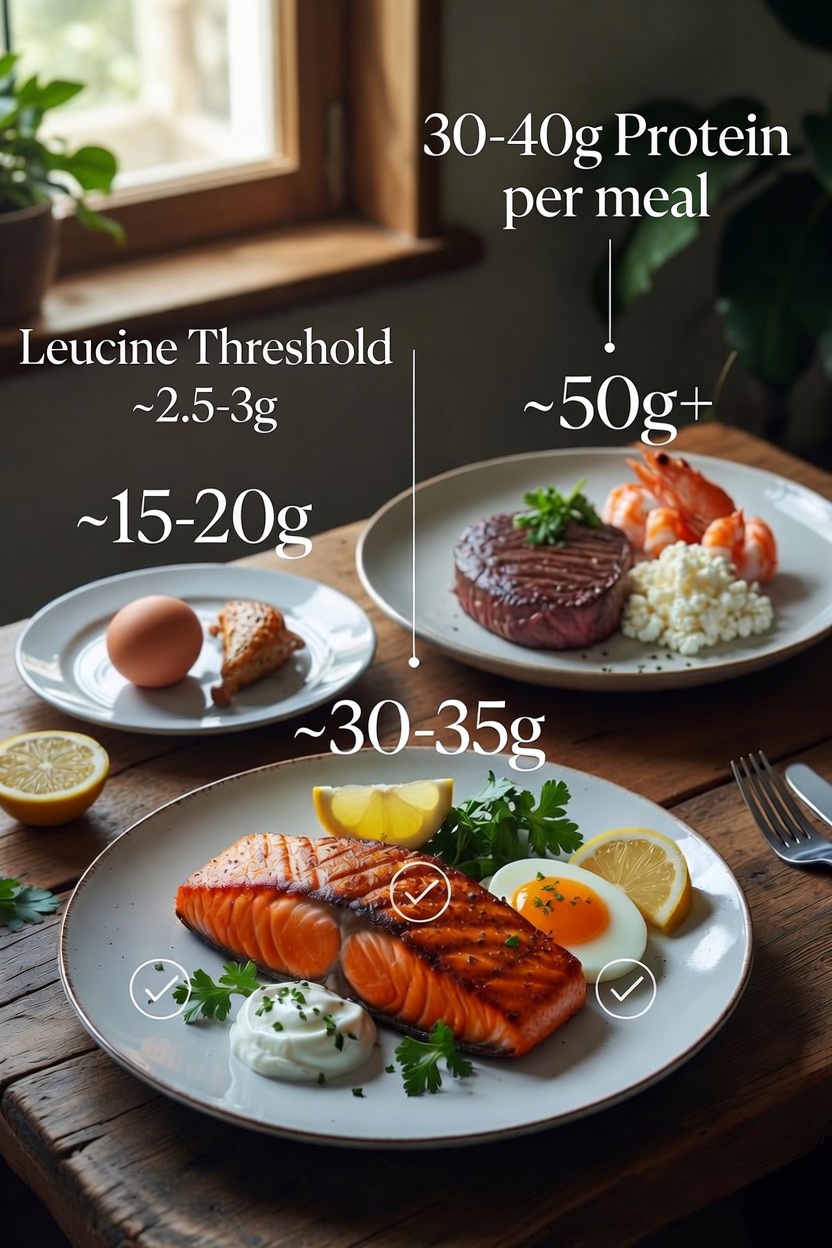
Muscle isn’t just for looks—it’s your engine for movement, balance, metabolism, and resilience. Low muscle mass increases the risk of falls, susceptibility to illness, and dependency. Experts like Layman emphasize consuming a protein-rich meal at breakfast and dinner to maximize MPS after overnight fasting and throughout the day. Lunch can be solid but doesn’t always need the same emphasis.
Dr. Gabrielle Lyon often talks about the “magic 100 grams” as a practical baseline for many women (even though calculations suggest a lower amount for smaller frames). For bigger folks or those building/maintaining, totals are higher. The key: spread it to hit per-meal thresholds.

General Guidelines: Start Here, Customize for You
There’s no one-size-fits-all, and I’m not making absolute statements. Work with your doctor or a nutrition coach, especially if you have conditions like kidney issues. But here’s a practical framework:
- Daily Target: Life Time often recommends ~1g protein per pound of lean body mass (a higher, fitness-focused target). A simpler approach is 0.75–1g per pound of ideal body weight. For seniors and those with anabolic resistance, research supports increasing intake to 1.2–1.6g per kg of total body weight (~0.54–0.72g per pound total BW, or higher with training/illness)—well above the standard RDA—to better support muscle preservation.
- Example: 150 lb ideal weight → 110–150g/day target.
- Smaller women: Aim for at least 100g as a floor for metabolic benefits.
- Per Meal Focus (to trigger MPS):
- Breakfast and Dinner: 30–40g+ high-quality protein (eggs, Greek yogurt, whey/vegan shakes, lean meats, fish).
- Lunch/Snacks: 15–30g to fill gaps.
- Leucine-rich sources: Whey, eggs, dairy, meat, or supplements if needed.
- For Seniors: Prioritize consistency. Spread intake across 3+ meals rather than cramming into a narrow window if it compromises totals. Intermittent fasting can work for some, but it often makes it harder to hit protein targets—especially if it delays your first meal and skips the morning MPS trigger. Test what’s sustainable.
Most people fall short without intention. Track for a week—you might be surprised.
Practical Tips to Hit Your Targets
- Breakfast Boost: Think beyond 1-2 eggs. Add extra egg whites, lean meat, or poultry. Also, add Greek yogurt, cottage cheese, or protein powder to oatmeal/shakes.
- Shakes as Allies: Post-workout or as snacks—my go-to is a mix with whey/vegan protein, berries, nut butters, etc.
- Snacks: Always start with a quality protein as your building block.
- Track Smart: Use apps, InBody, or simple estimates. No scale? Use ideal weight as a proxy.
- Combine with Training: Resistance work + protein is the winning combo for preserving muscle.
For those on GLP-1s like David, Protein becomes even more critical to spare muscle during a calorie deficit.
Final Thoughts: Invest in Your Future Self
You can’t hit a target you don’t have. Setting a protein goal—and distributing it to support MPS—is one of the highest-ROI moves for lifelong strength and independence. It’s not about perfection or bodybuilding extremes; it’s about giving your body the building blocks it needs, especially in your later years.
Start small: Calculate your target today, tweak one meal, and build from there. If you’re a senior, small woman, or anyone feeling the effects of aging, this could be game-changing.
What’s your current protein habit? Drop a comment or come chat with me at the club. Let’s get you set up with a plan that fits your life—whether it’s a simple verbal nudge like with David or a full revamp like Billy’s.
Ready to take the next step?
If this resonated with you, subscribe to my blog for more practical fitness, nutrition, and longevity insights delivered straight to your inbox.
And if you’d like personalized guidance on your protein targets, training, or overall plan (especially as a senior or someone focused on staying strong and independent), reach out through Work With Kelly on my site. I’d love to help you build a program that fits your life and goals.
Let’s get after it—your future self will thank you!
This is for informational purposes. Consult your healthcare provider for personalized advice.


Leave a comment